Preparation
After months of classes, rehearsals, and anticipation, the Gala weekend finally arrived — a moment the students, teachers, and families had all been working towards.
The day before the performance, on Saturday, the students took part in a half-day stage rehearsal. Dressed in their performance costumes, they repeated each dance several times, giving them time to become familiar with the theatre, the stage, and their exact places within each choreography. It was an important moment of preparation, helping the children feel more confident and secure before the Gala.
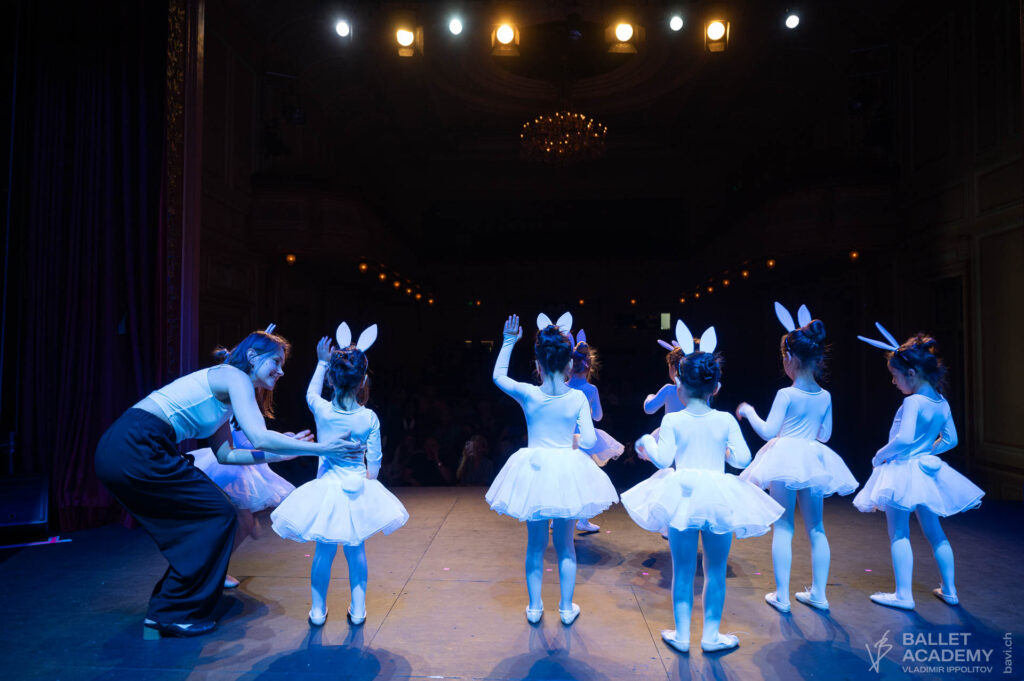
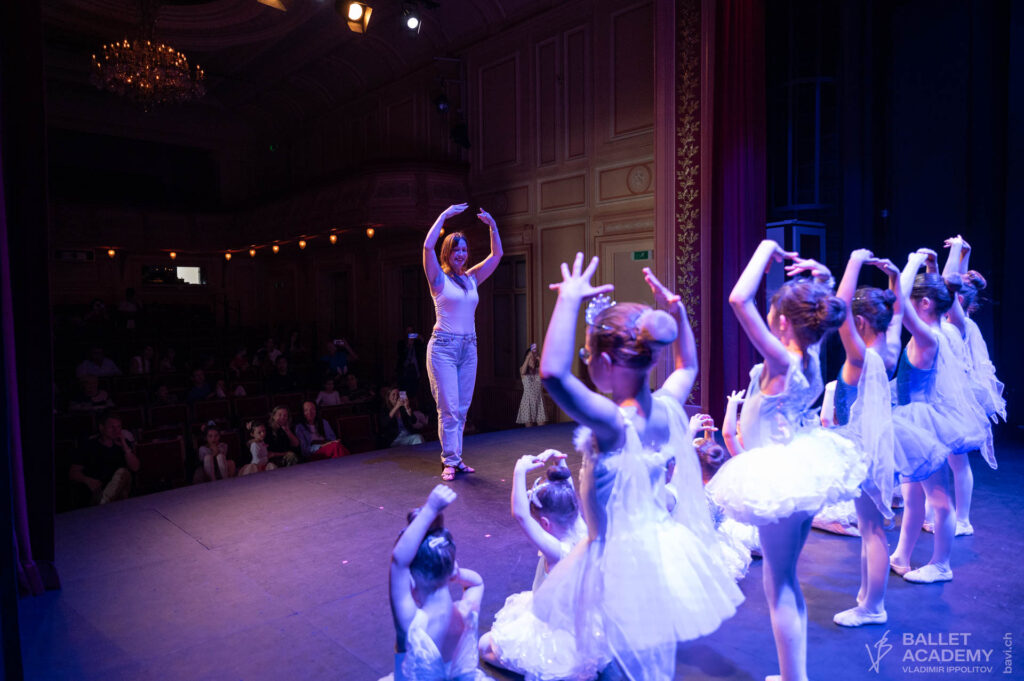
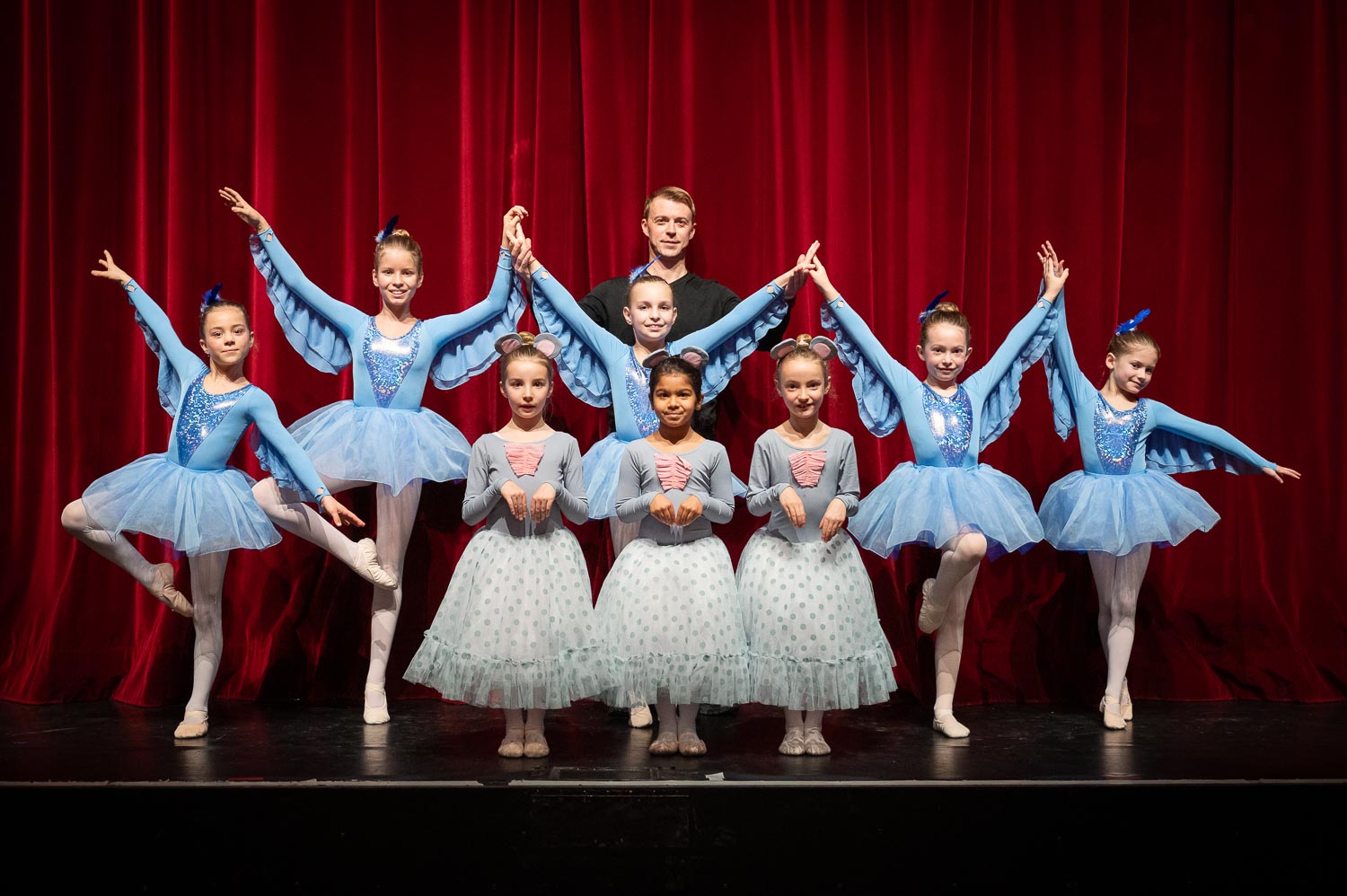
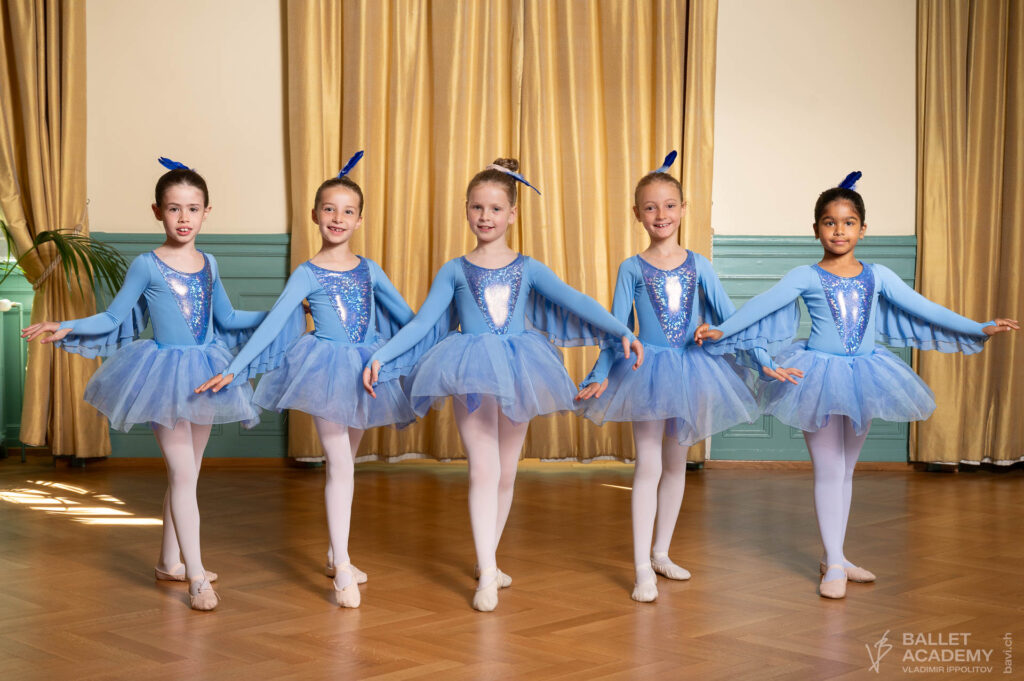
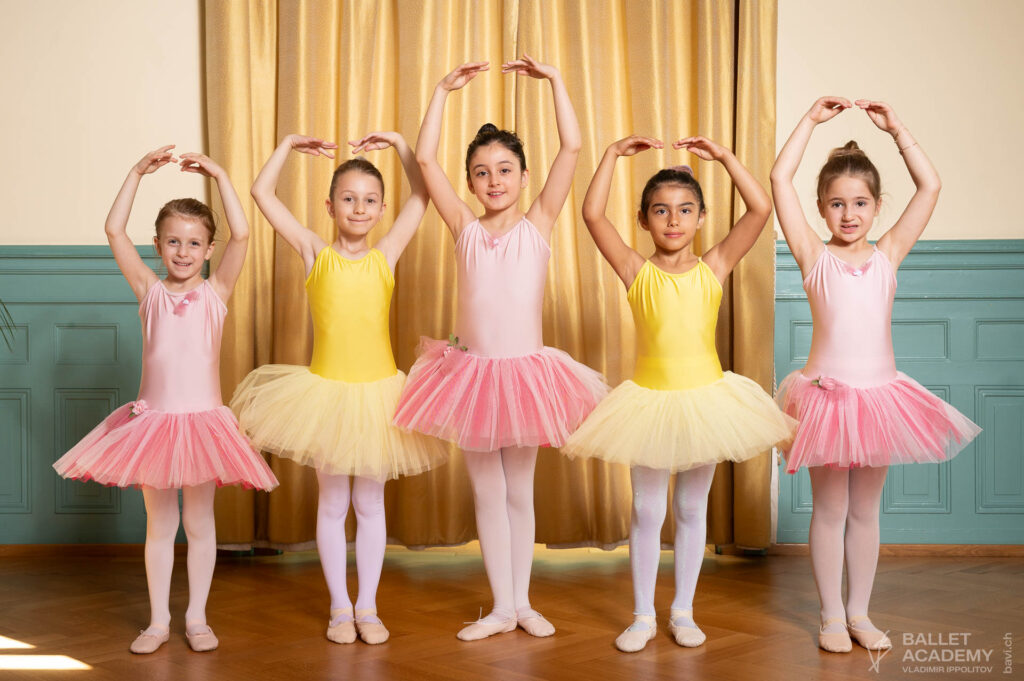
During the rehearsal day, studio portraits were also taken of the students in their performance costumes. These photographs are a special gift from the Ballet Academy — a beautiful memory for the children and their parents, and something they will be able to keep for the future.
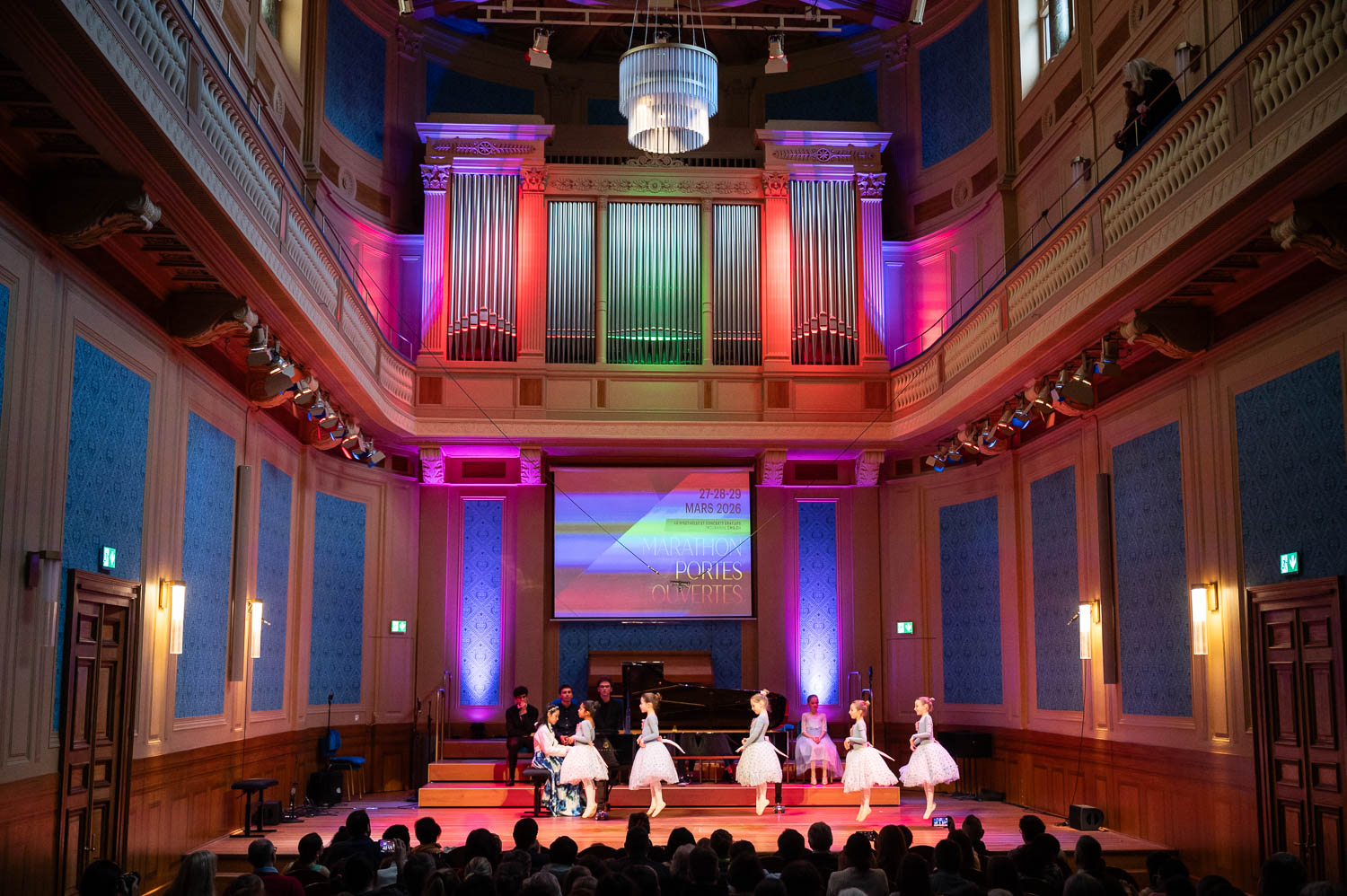
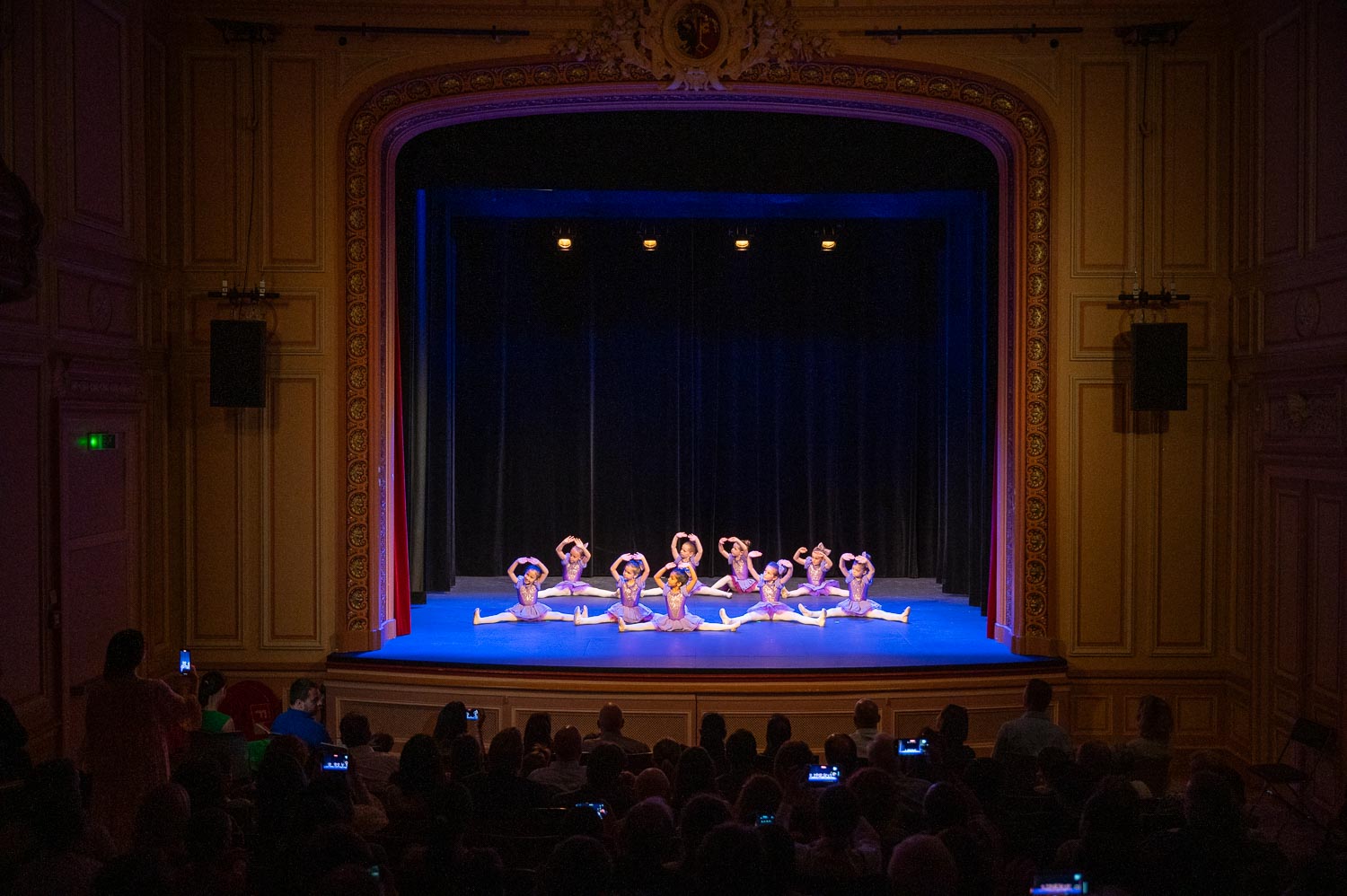
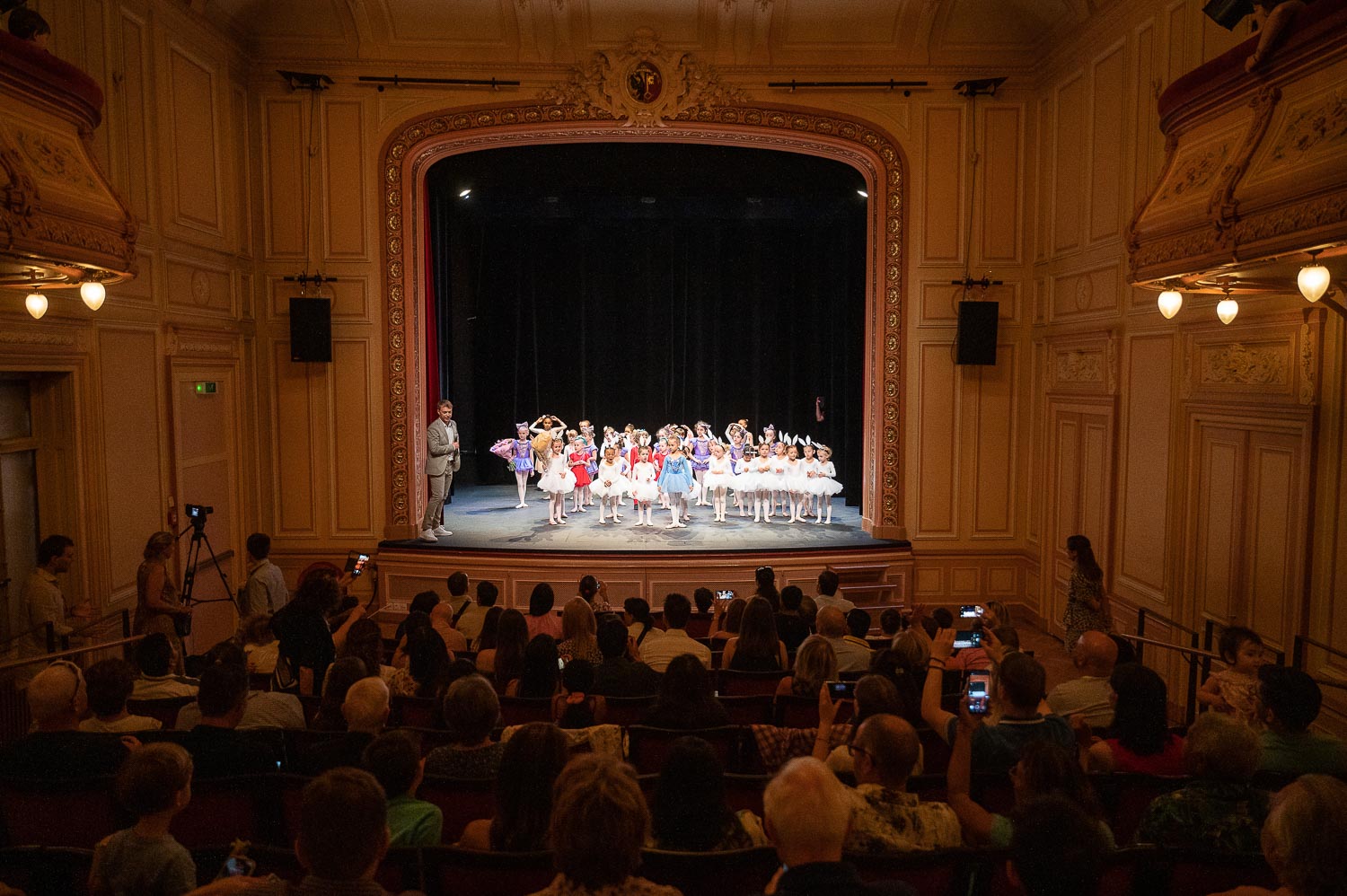
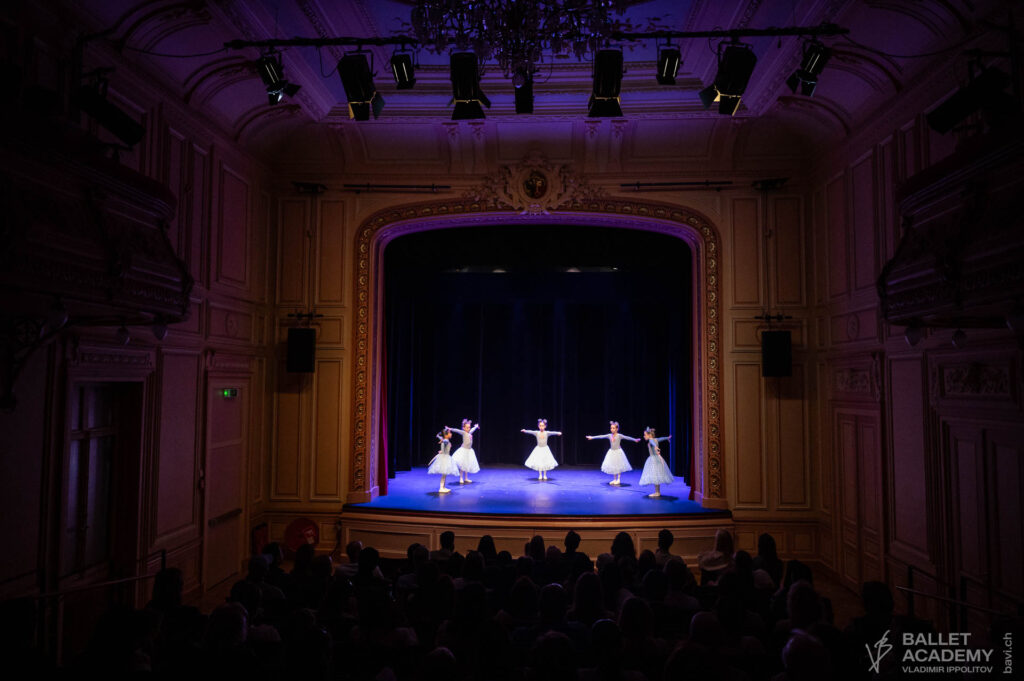
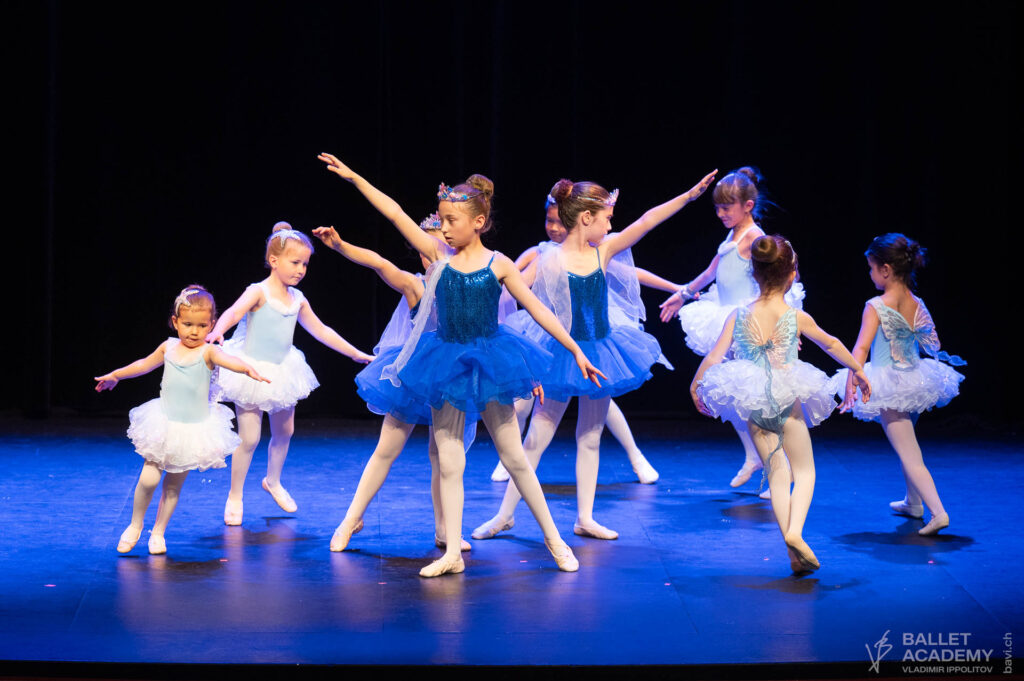
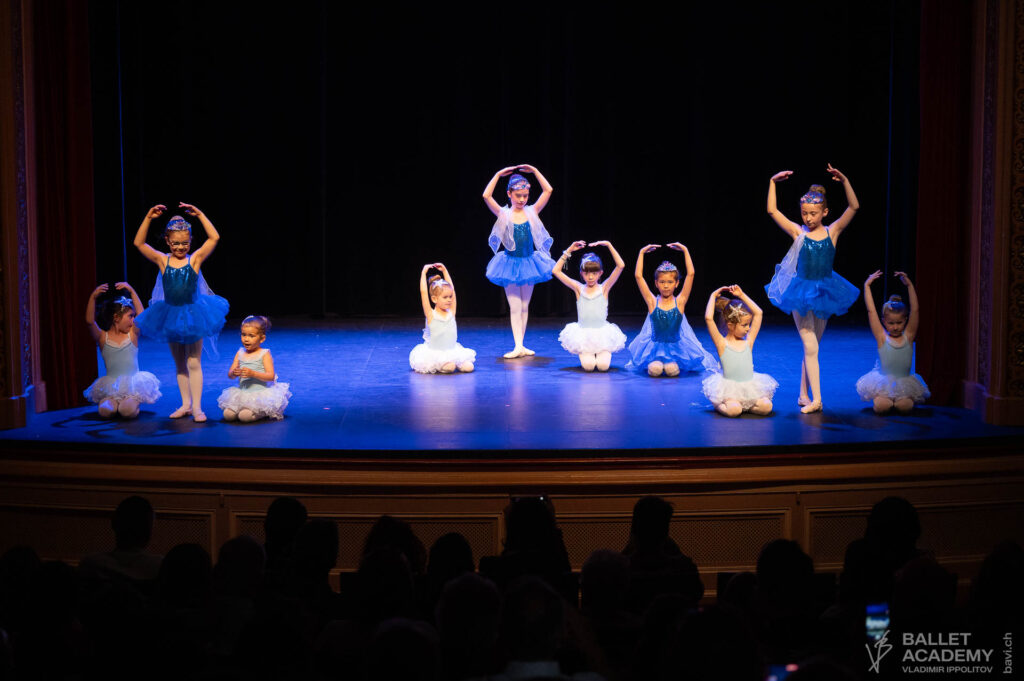
After this careful preparation, Sunday’s Gala brought all that work to the stage. Across two full programmes — one in the morning and one in the afternoon — students from Champel, Cologny, Nations, and Nyon came together for a beautiful day of dance. For some of the youngest children, it was their very first time performing in a professional theatre. For the more advanced students, it was an opportunity to present classical solo variations and repertoire pieces with confidence, musicality, and growing artistic maturity.
The day brought together many levels, many ages, and many months of dedicated work.
Programme 1 — Morning Show
Champel, Cologny, and Nations groups
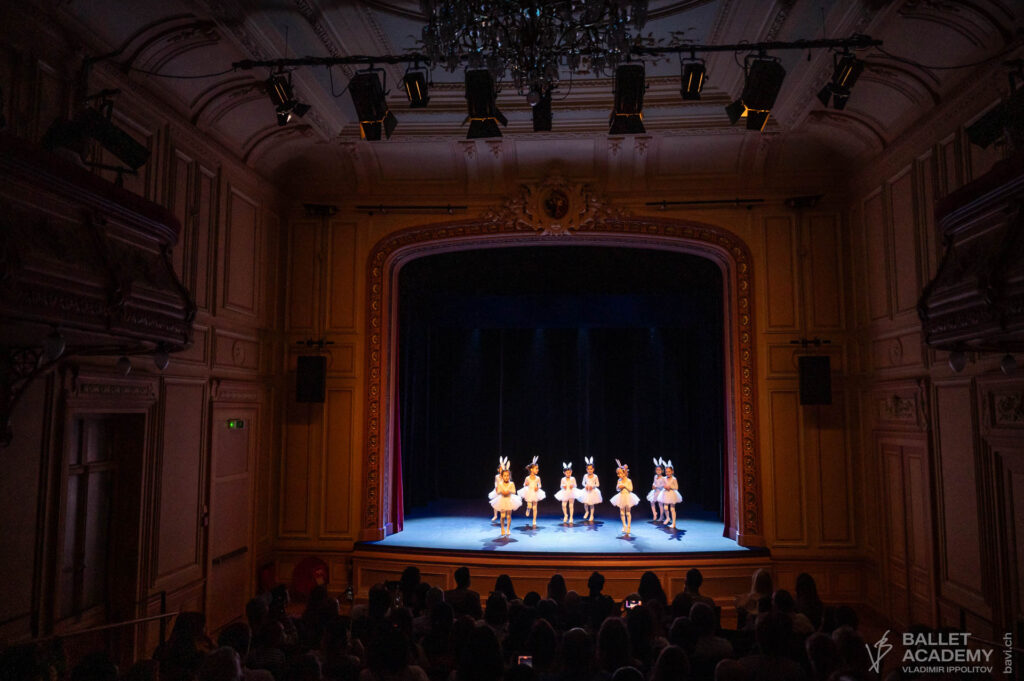
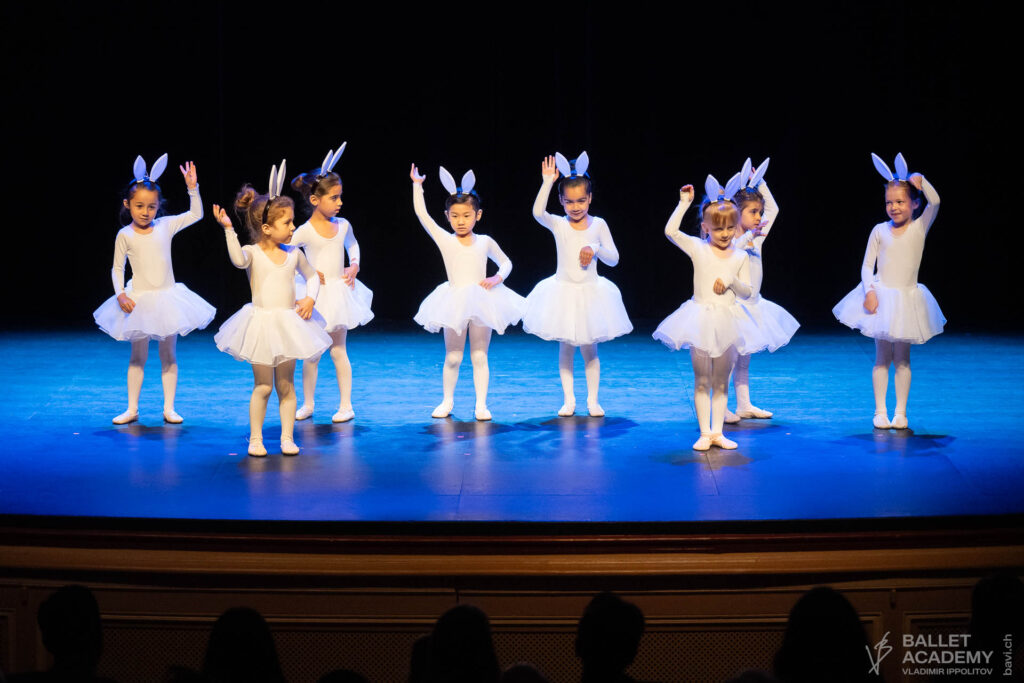
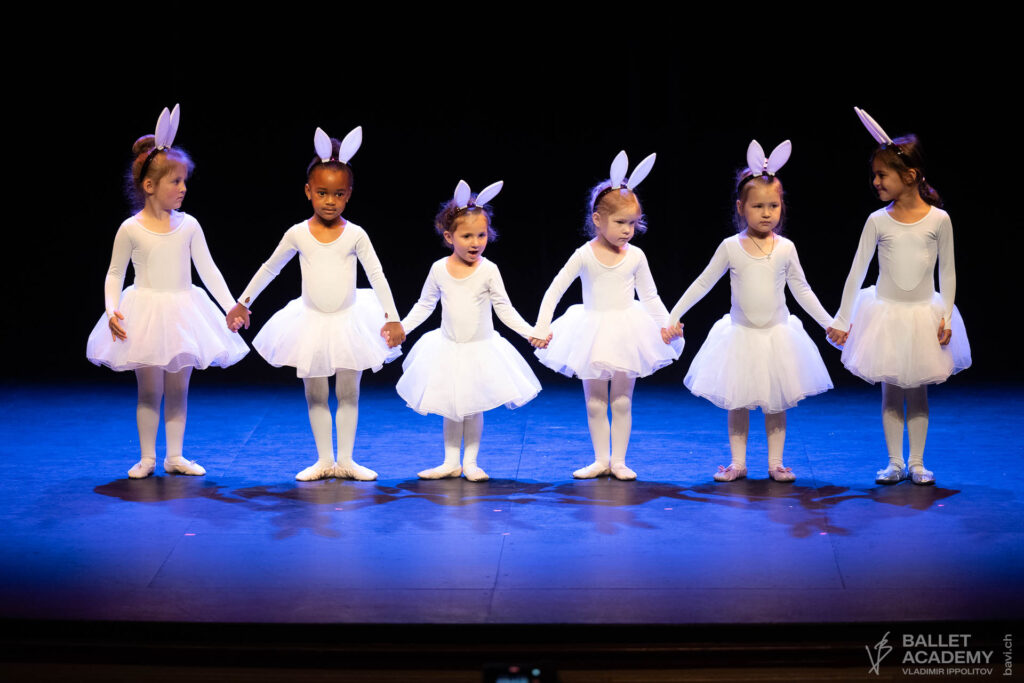
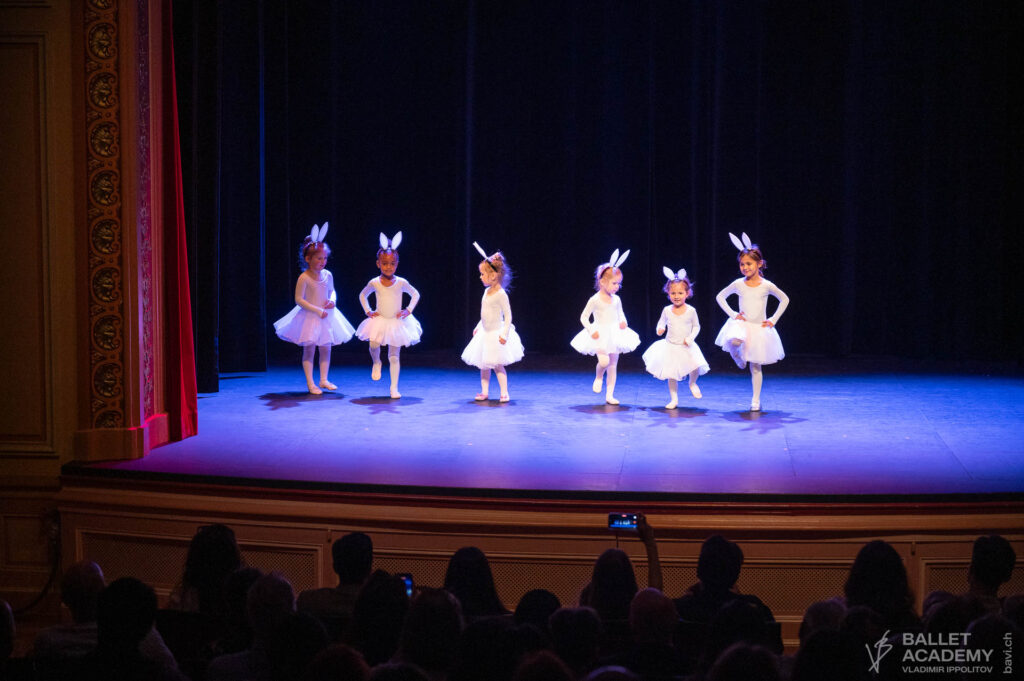
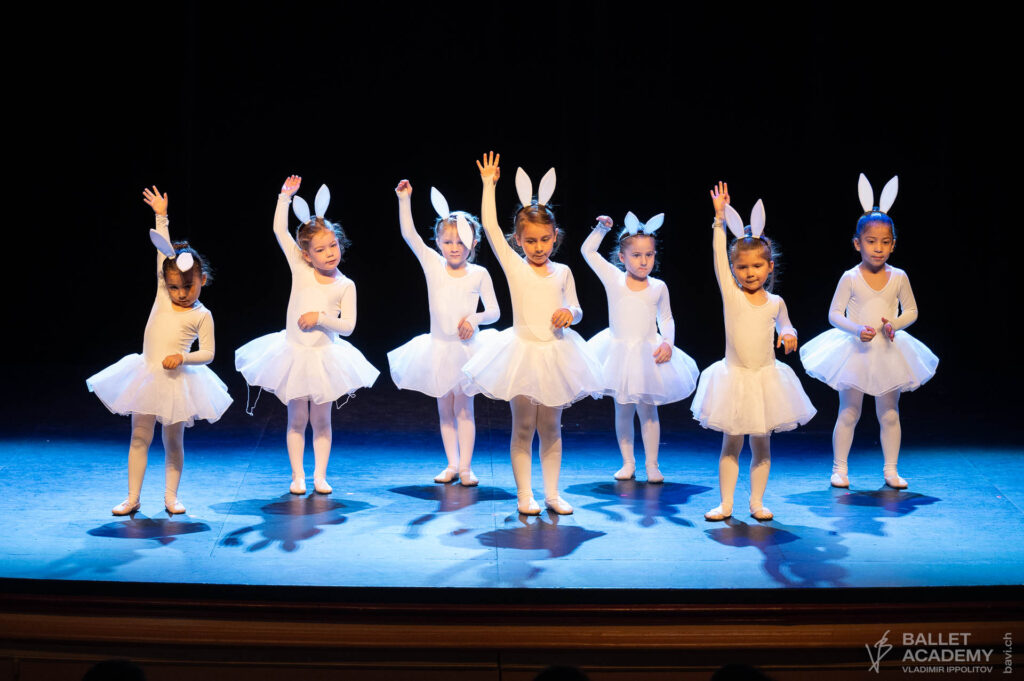
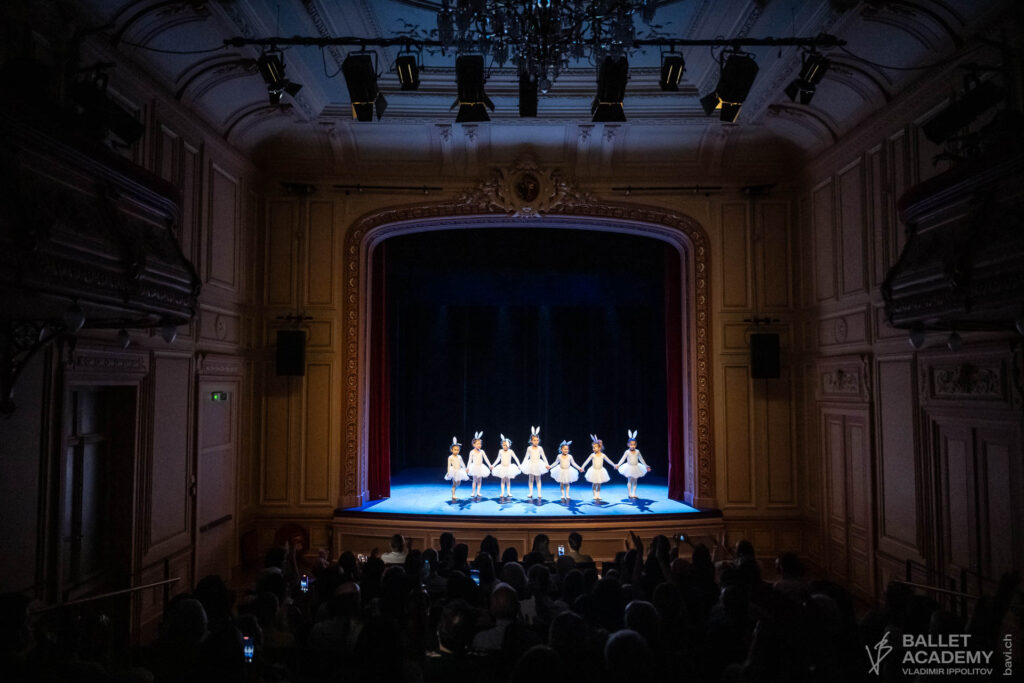
The morning programme opened with Little Bunnies, performed by Group A. Our youngest students brought warmth, courage, and charm to the stage. For many of them, this was a first experience in a professional theatre.
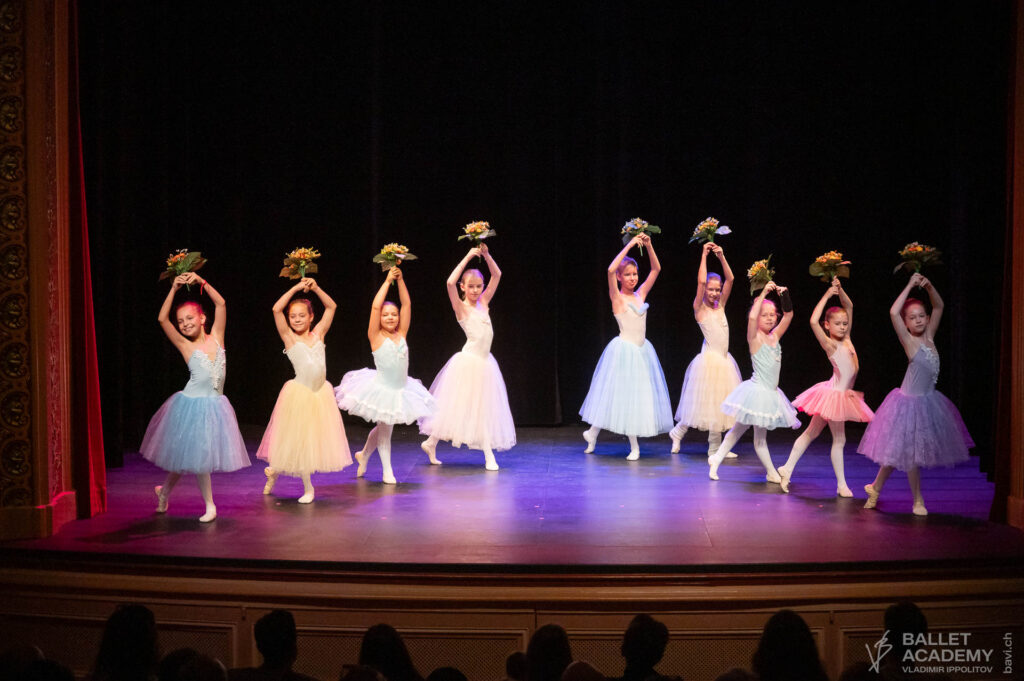
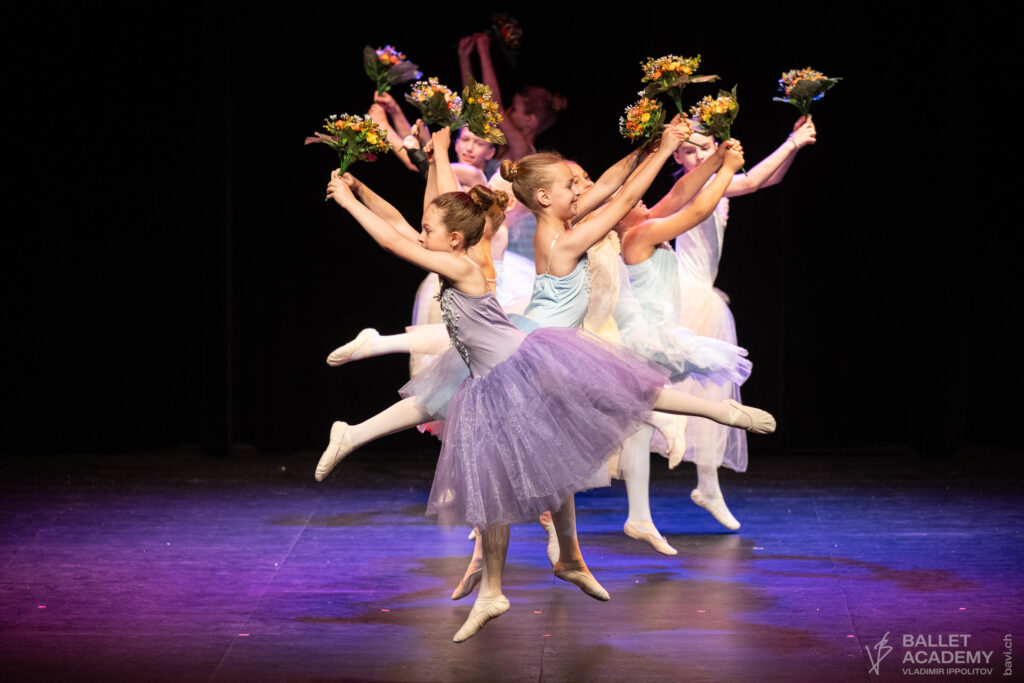
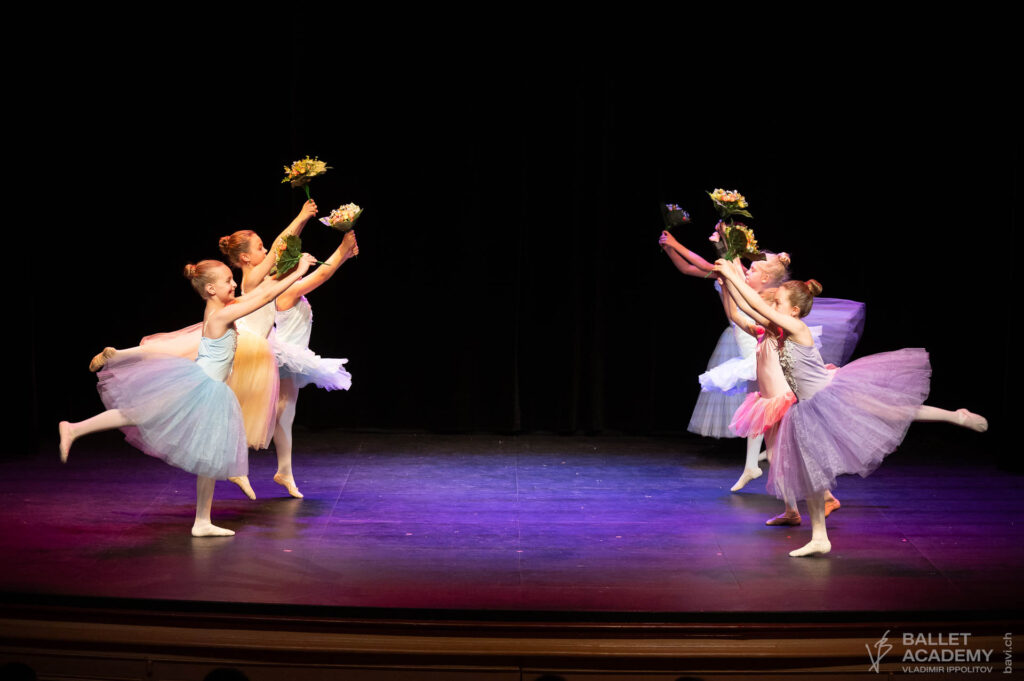
Waltz des Fleurs, performed by Group C, followed with music from Tchaikovsky’s Sleeping Beauty (1890). One of the most demanding ensemble pieces in the classical repertoire, it requires musicality, discipline, and true collective listening.
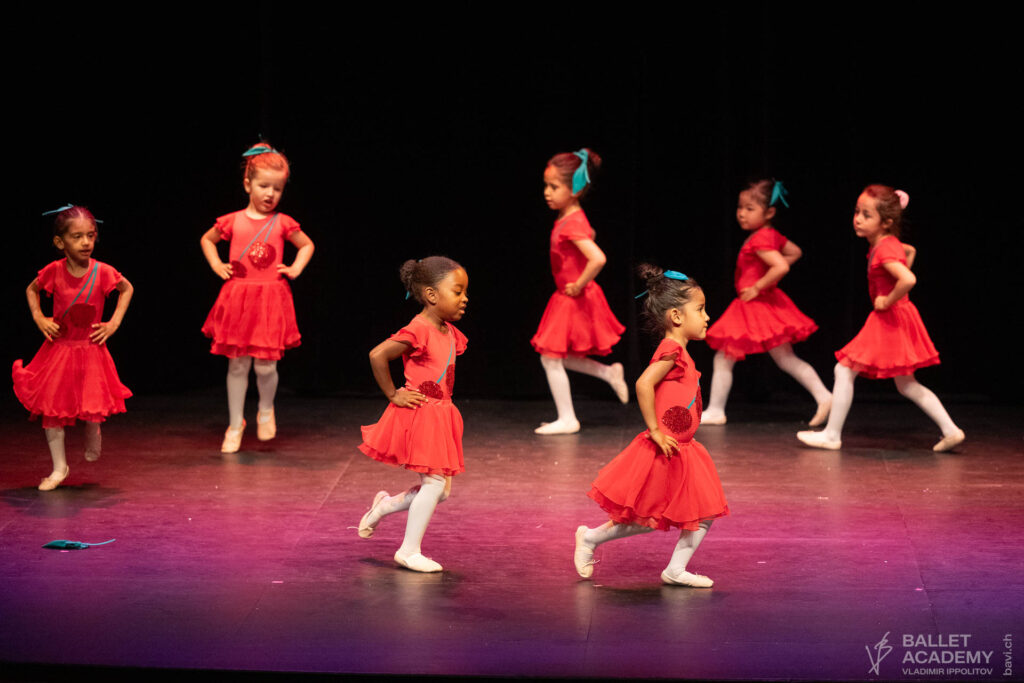
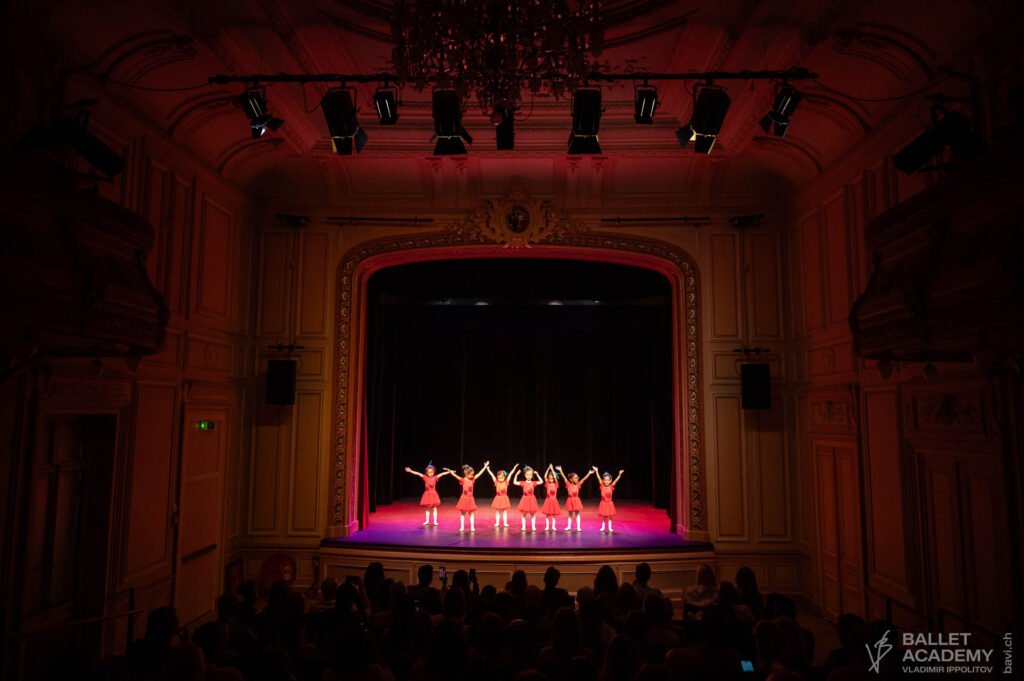
Little Cherries, performed by Group A, brought character, precision, and personality to the stage, drawing from the Russian character dance tradition.
The Cologny students, guided by Veronika Khorosova, then presented their own interpretation of Little Bunnies. The choreography was the same, but the character and energy were distinct.
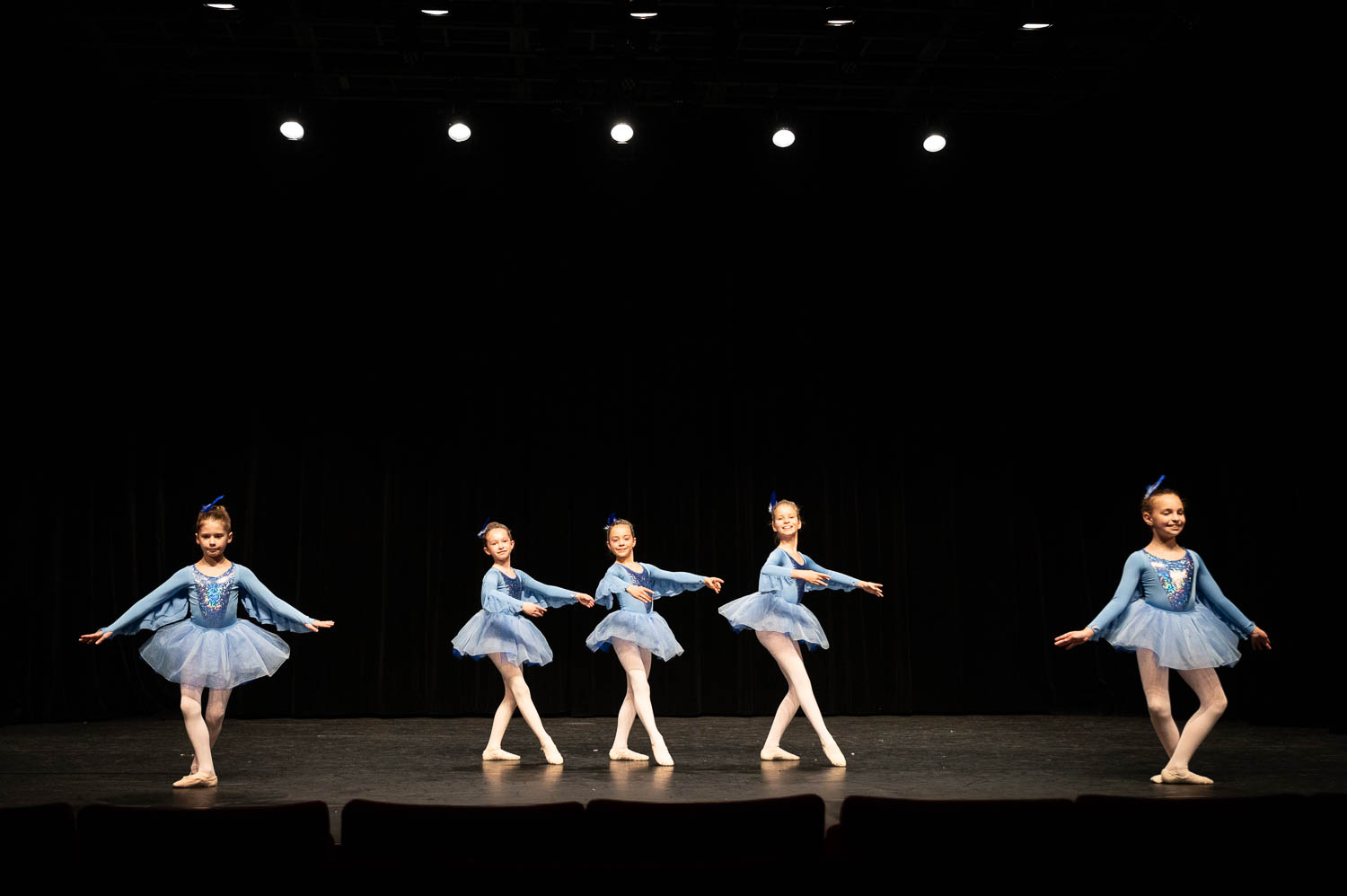
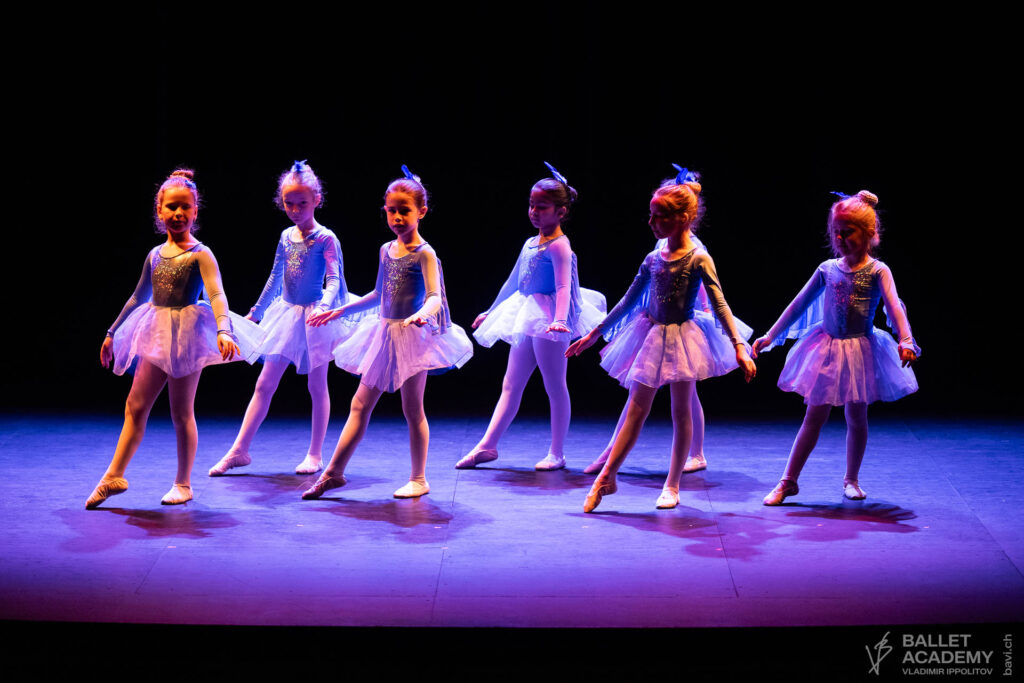
Little Blue Birds, performed by Group B, was inspired by the Bluebird theme from Sleeping Beauty. The piece was built around delicate footwork, musical attention, and lightness of movement.
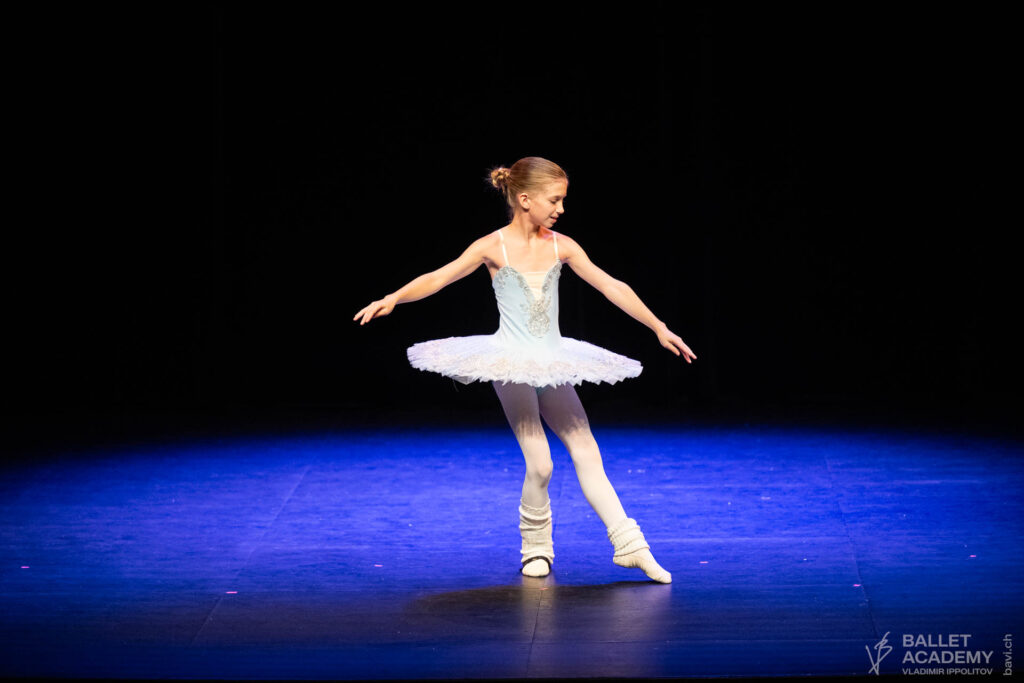
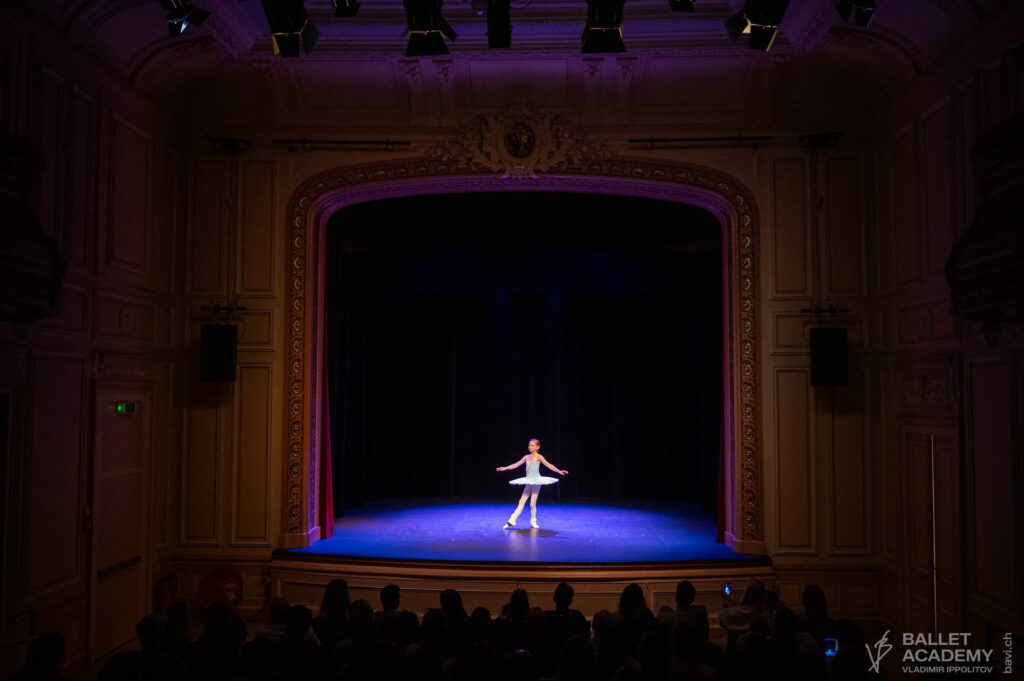
A classical solo variation by Simona followed, performed with confidence and stage presence.
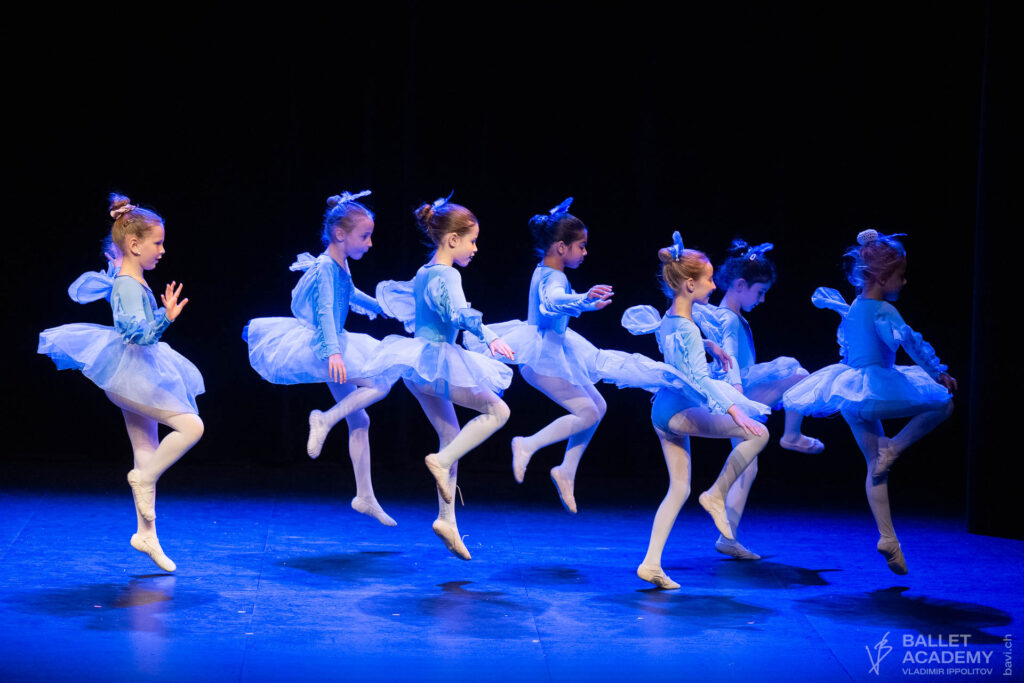
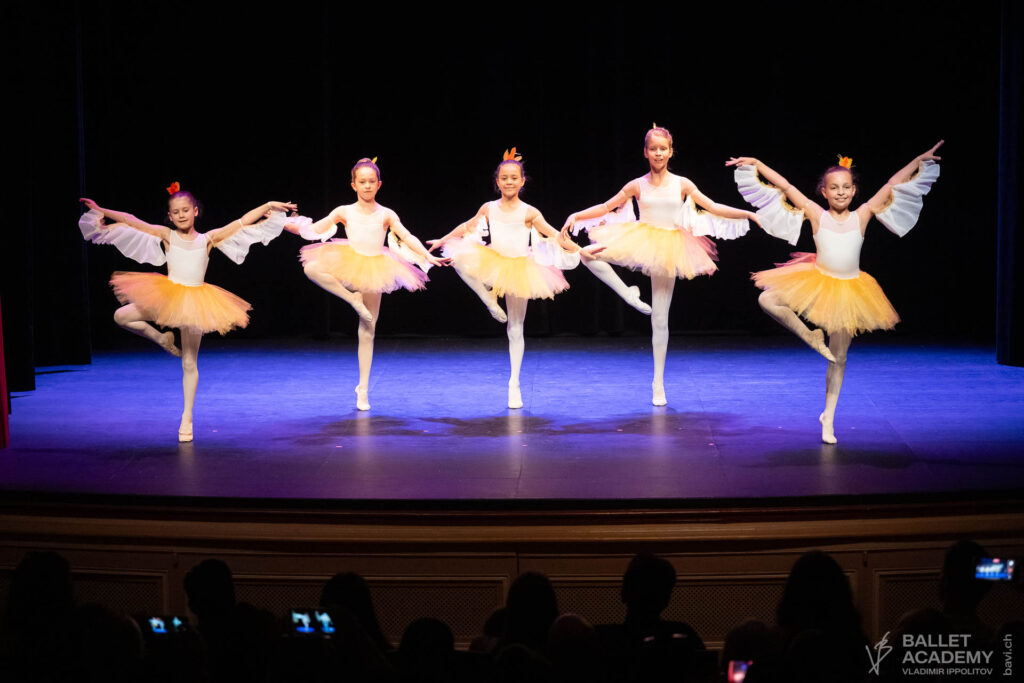
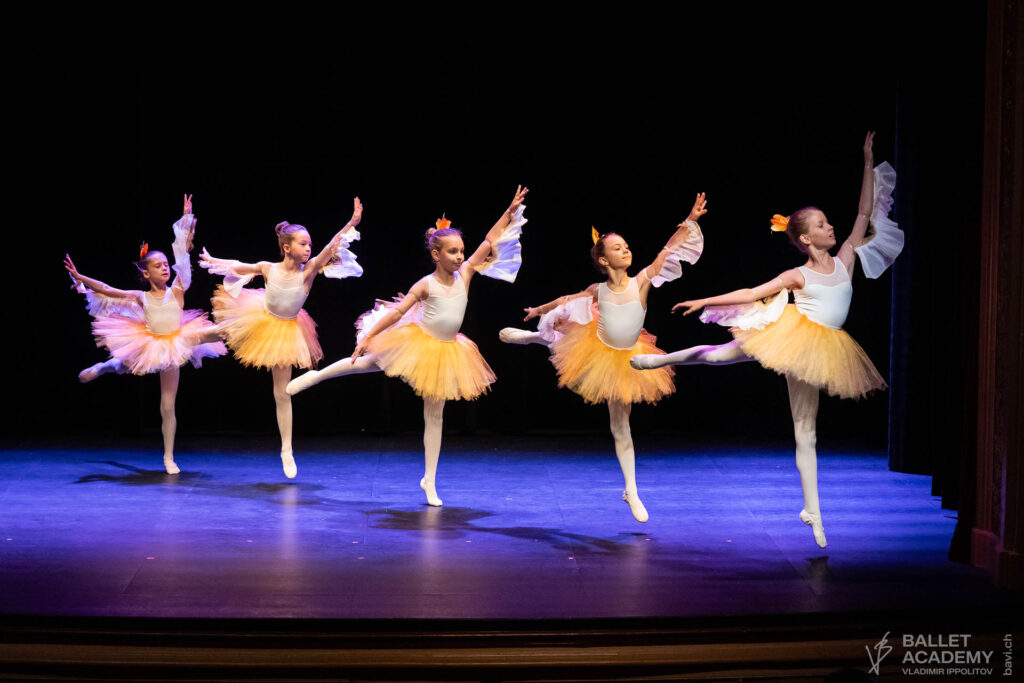
Les Oiseaux, performed by Group C, brought suggestion, lightness, and atmosphere to the stage. The idea of flight was expressed not through gesture, but through the quality of movement.
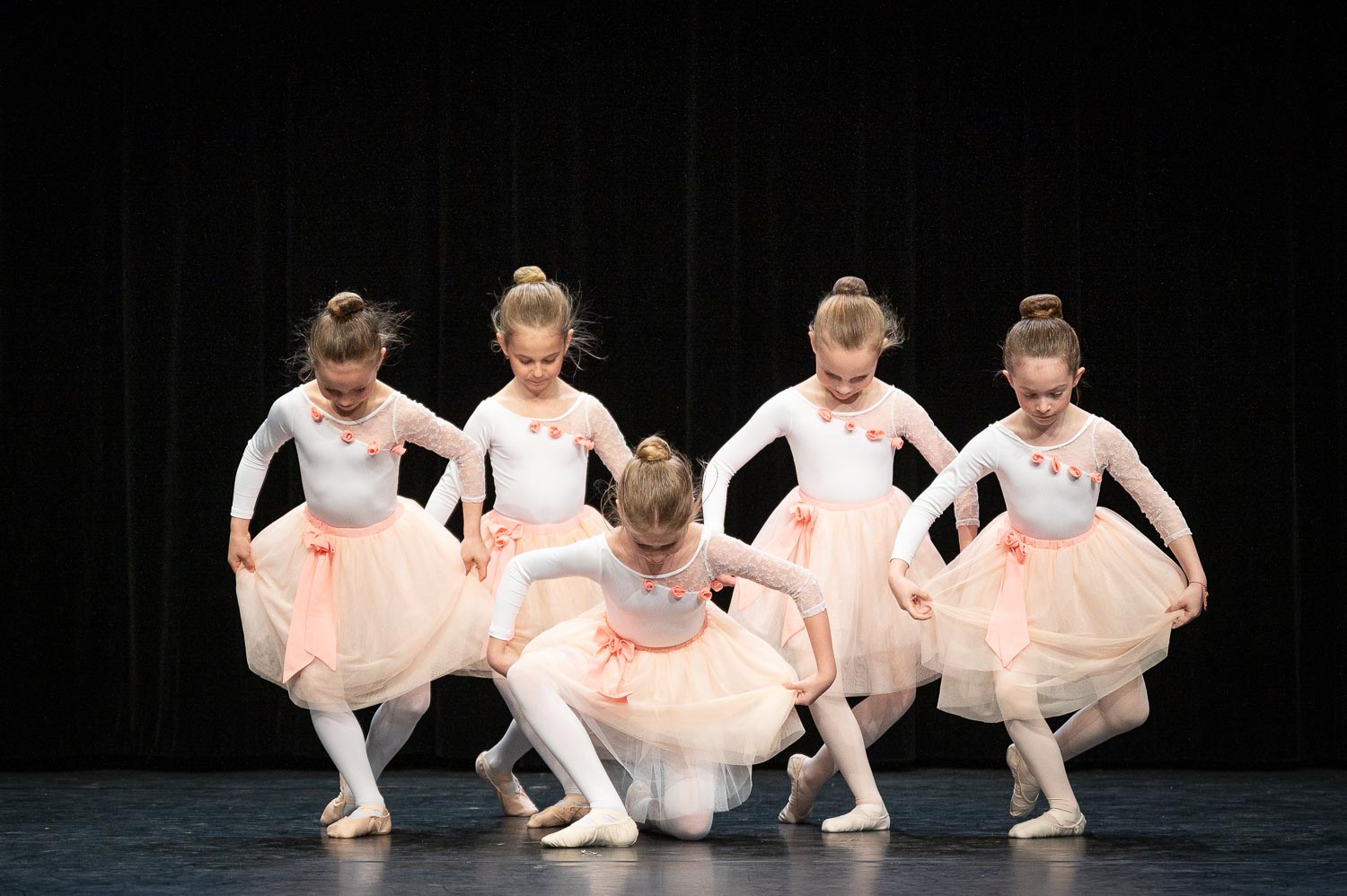
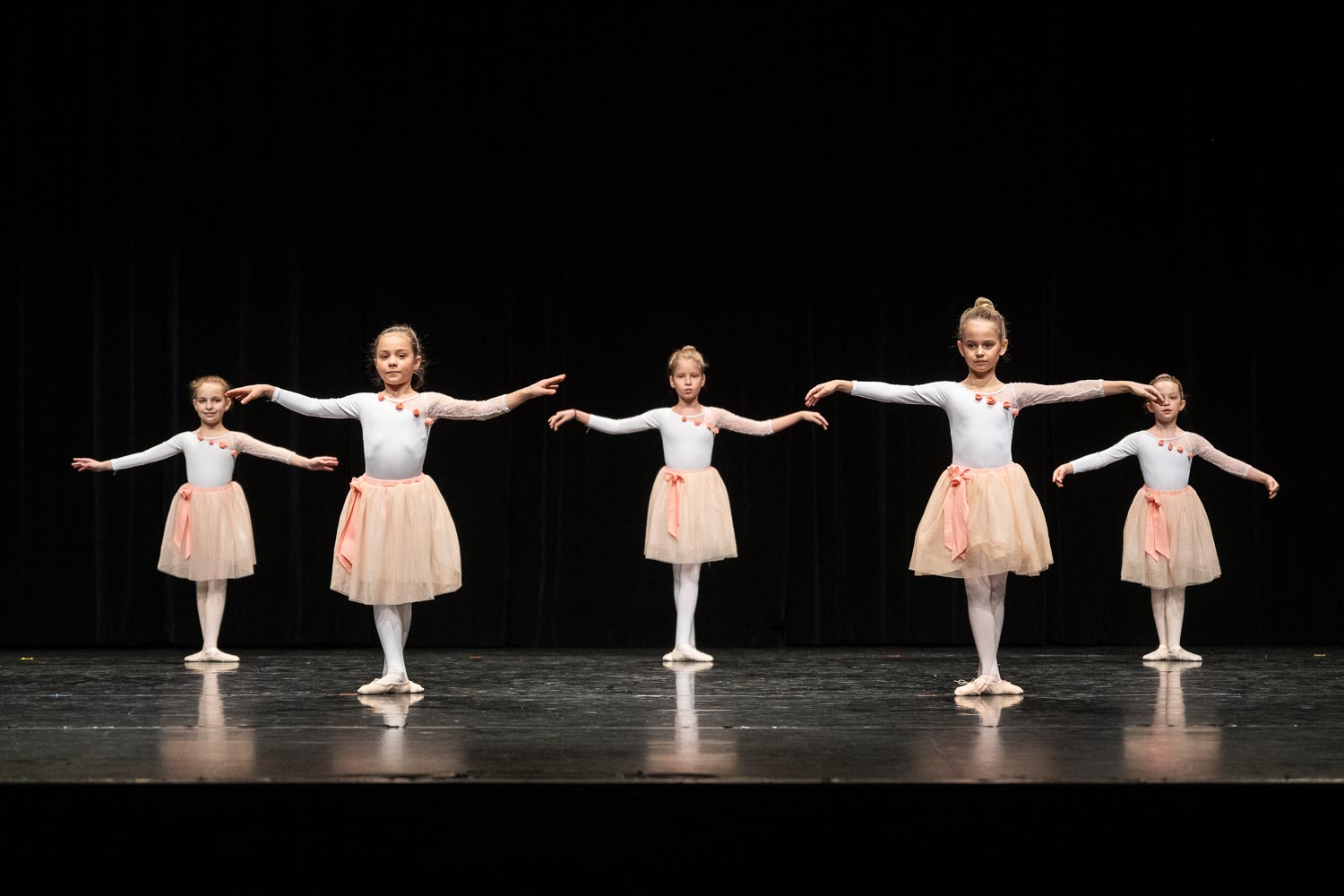
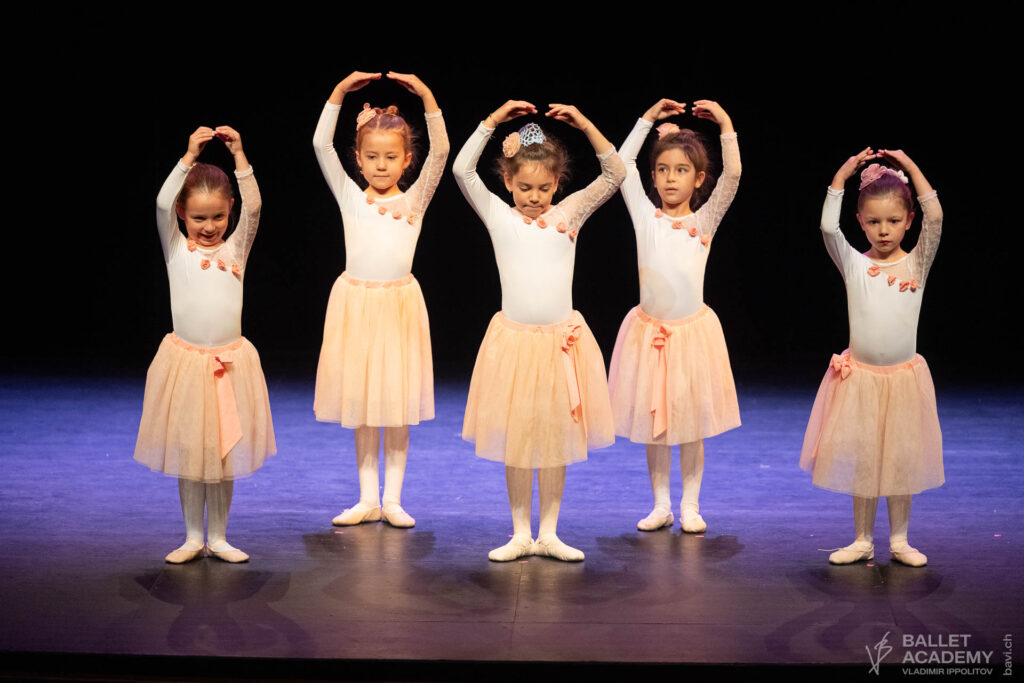
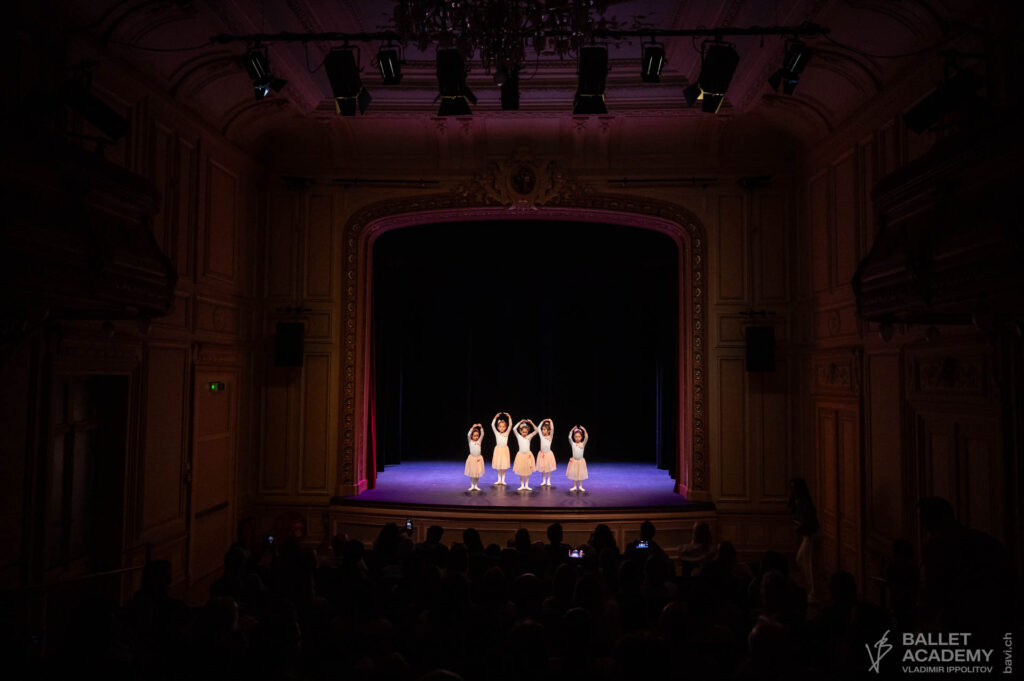
Little Flowers, performed by Group B, required sustained musicality and attention from beginning to end.
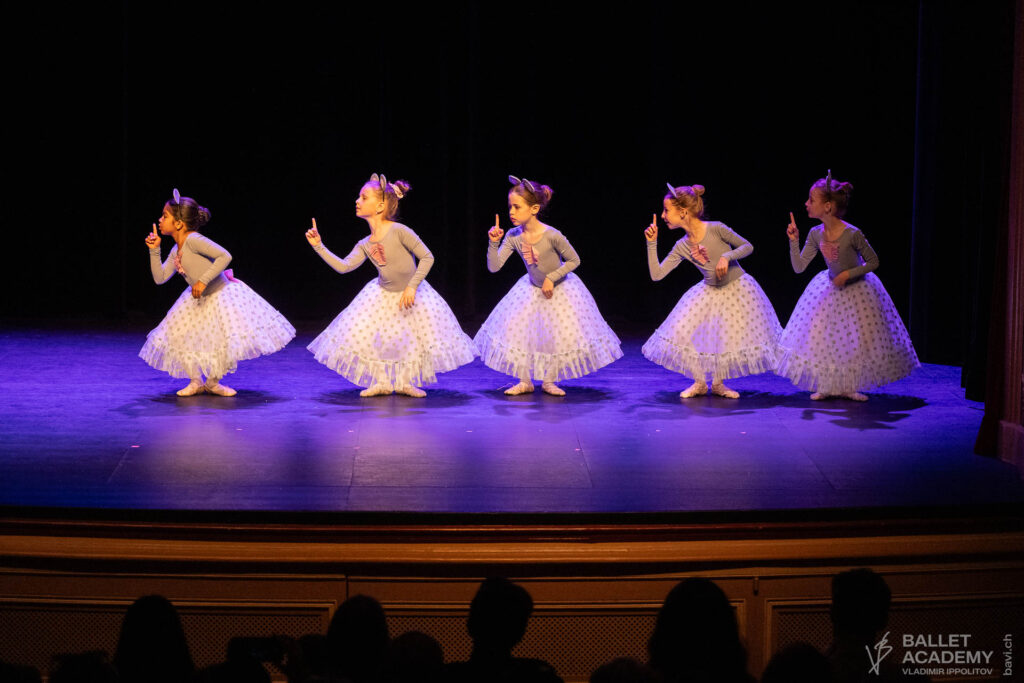
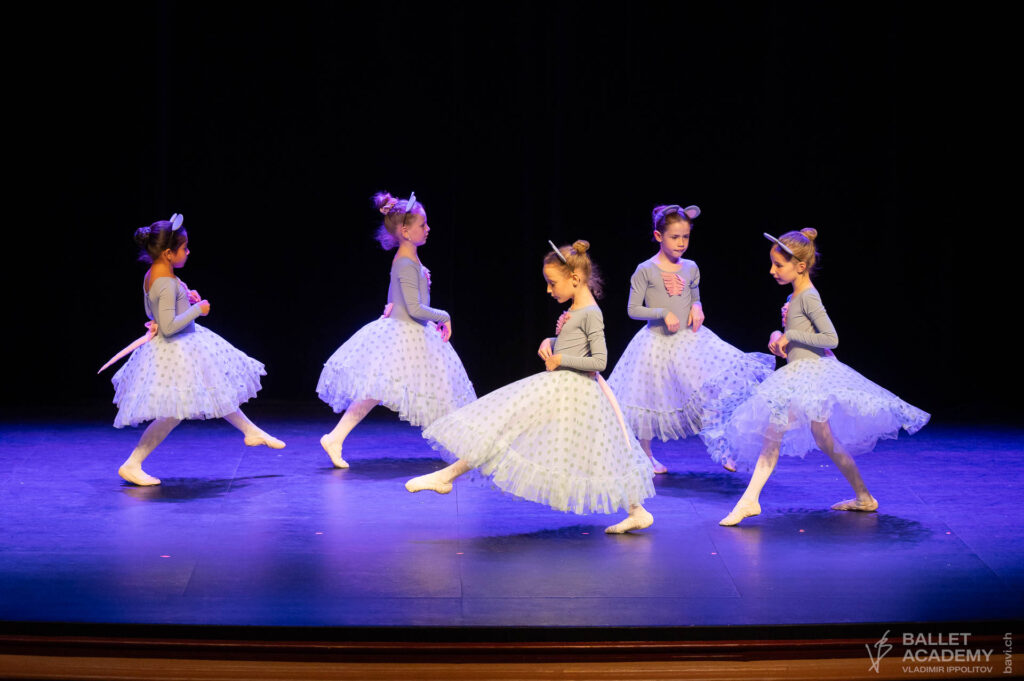
Little Mice, also performed by Group B, showcased fast footwork, precise musical response, and the visible result of months of dedicated training.
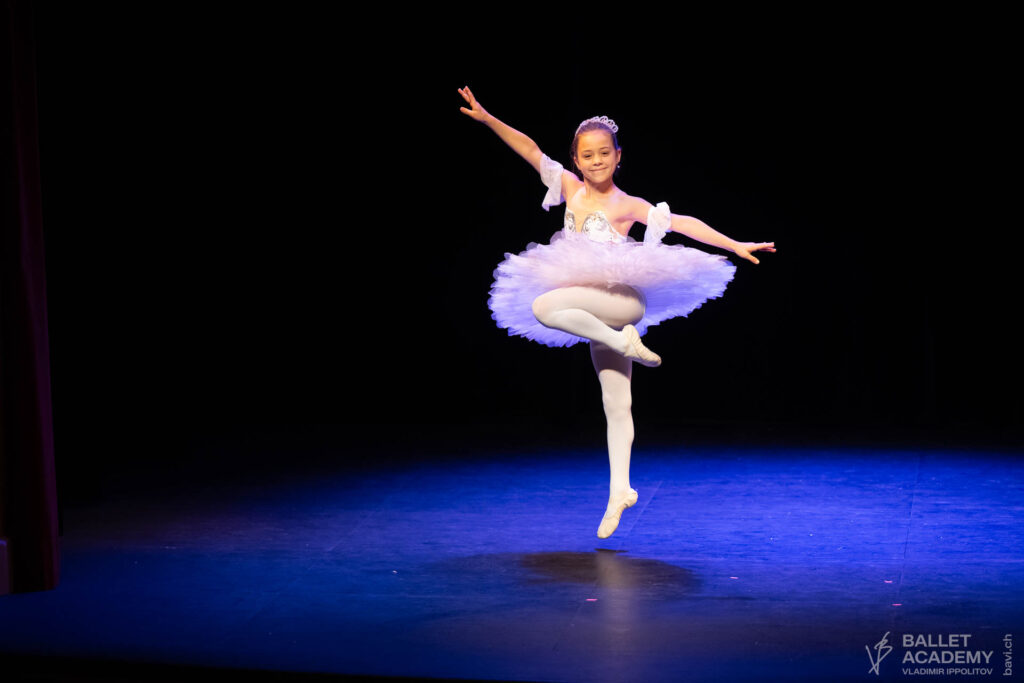
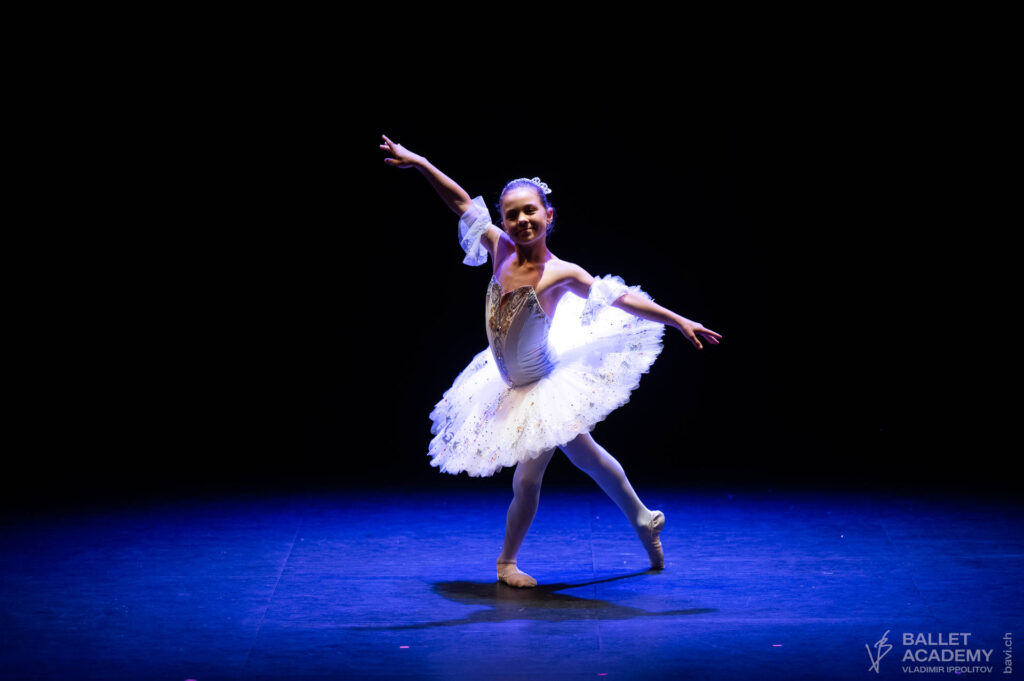
La Perle, performed by Maria Lada-Gola, presented a classical solo variation rooted in the 19th-century divertissement tradition. The piece asks the dancer to sustain a single delicate quality — the cool luminosity of a pearl — through pure movement. It was performed with poise and notable maturity.
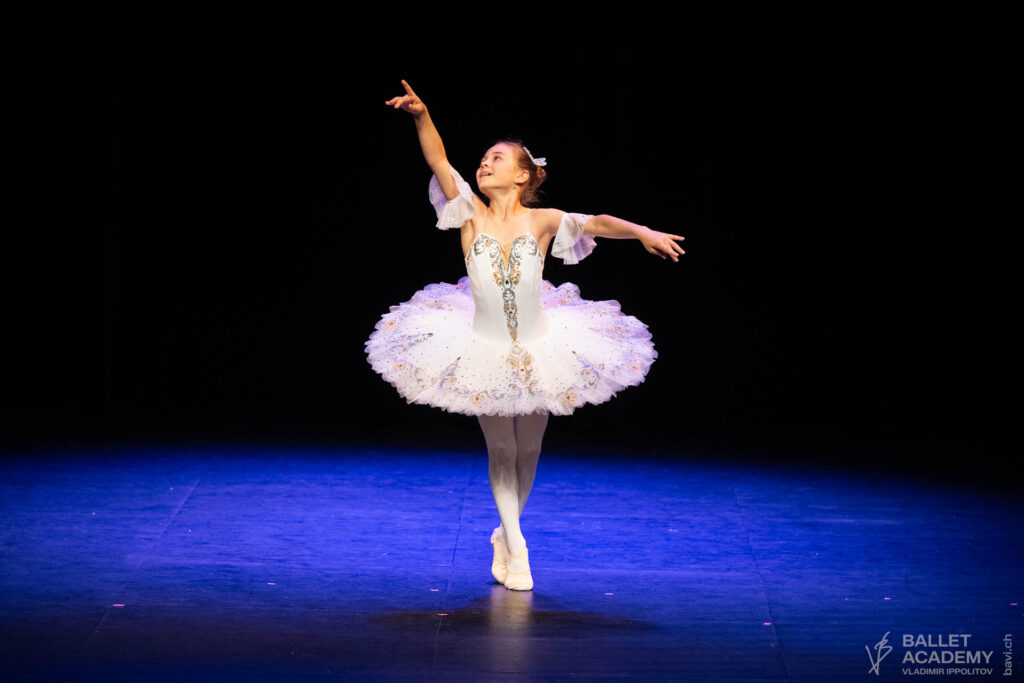
Armide Variation, performed by Natalia Savoretti, was one of the most demanding pieces in our student repertoire. Rooted in the Romantic ballet tradition, it requires dramatic expression, technical control, and strong stage presence.
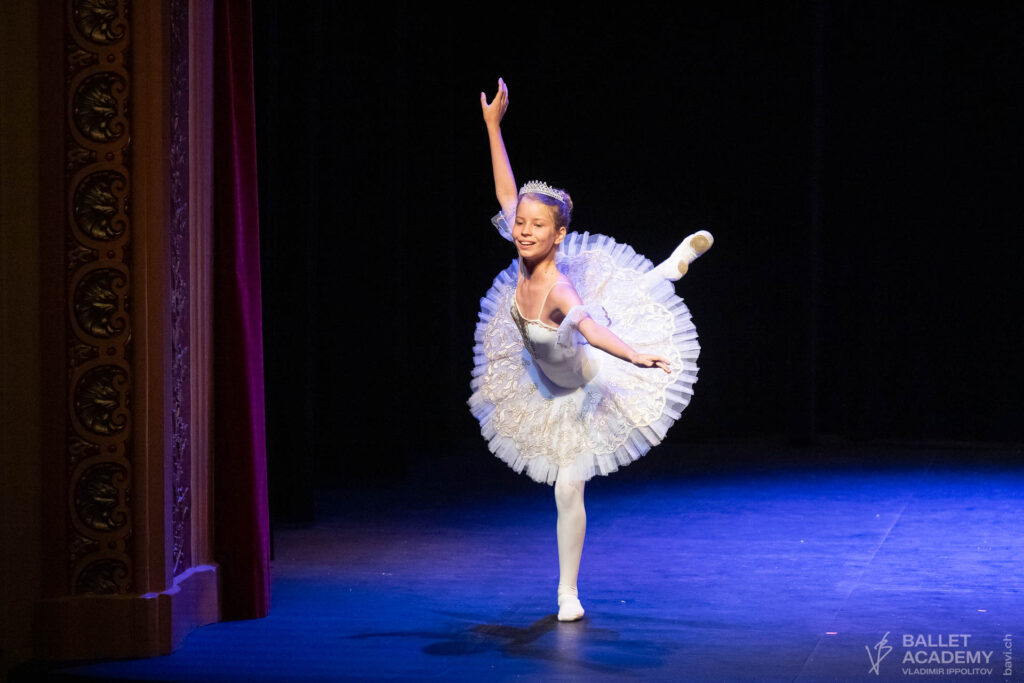
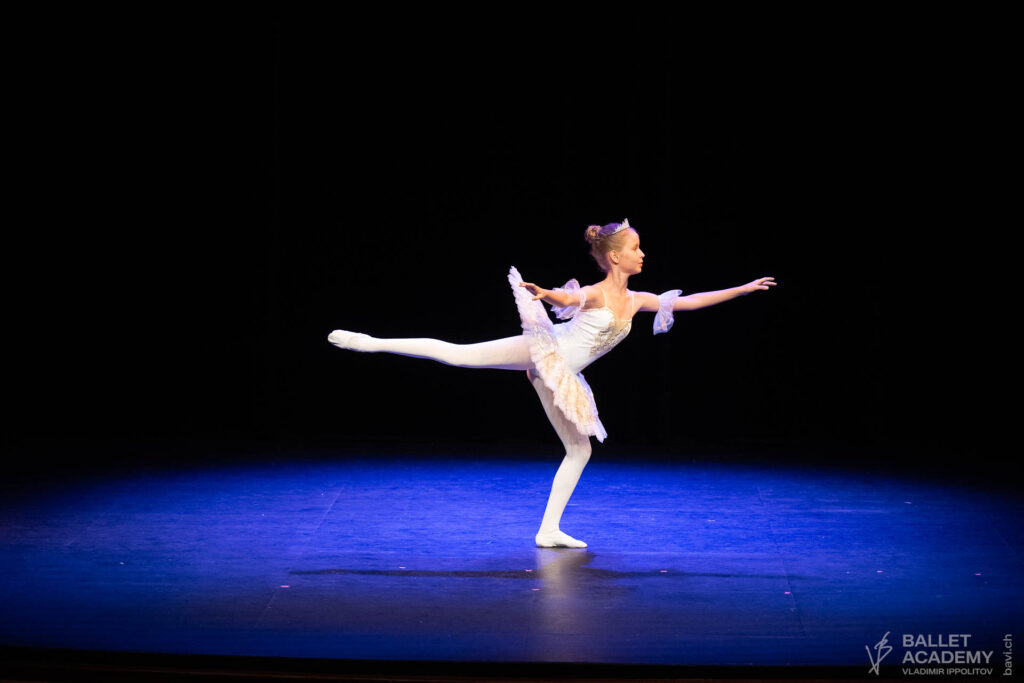
Pizzicato Polka, performed by Group B, brought sparkling energy to the stage. Built around the crisp sound of plucked strings, it was precise, lively, and performed with evident enjoyment.
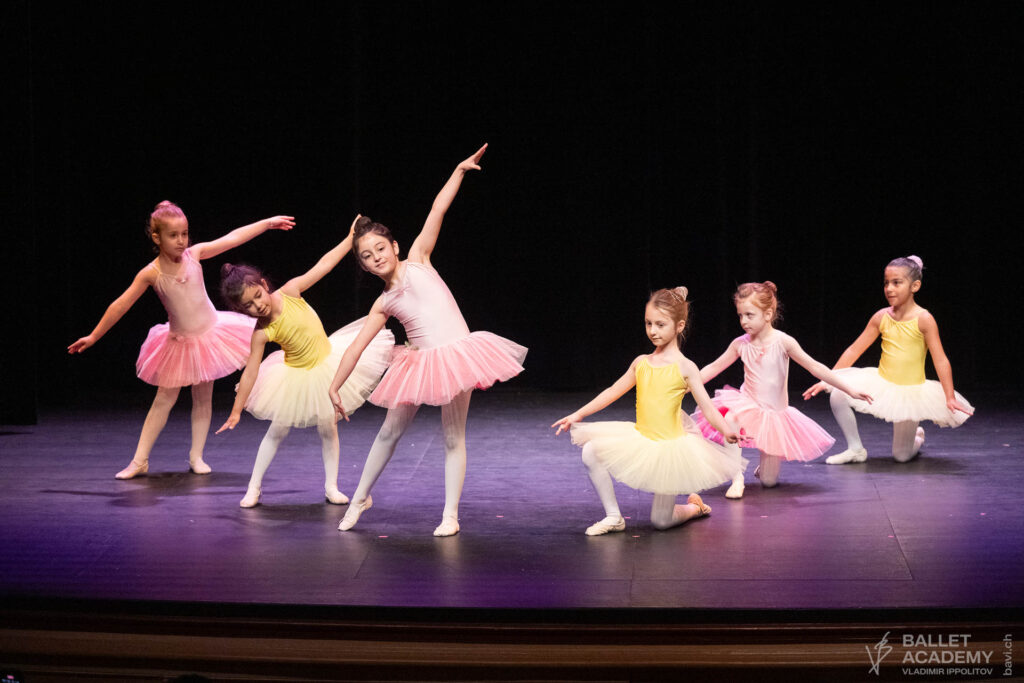
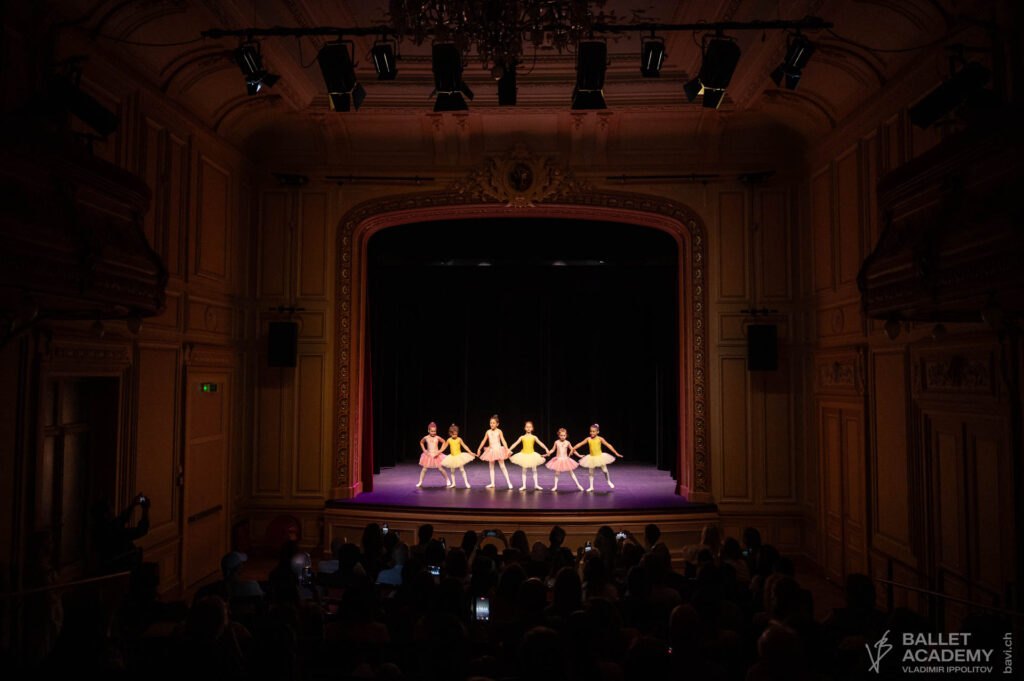
The morning programme closed with Tarantella, performed by Group C, the largest ensemble cast of the day. This fiery Italian folk dance entered the classical ballet vocabulary in the 19th century, and the students brought Programme 1 to an energetic and joyful conclusion.
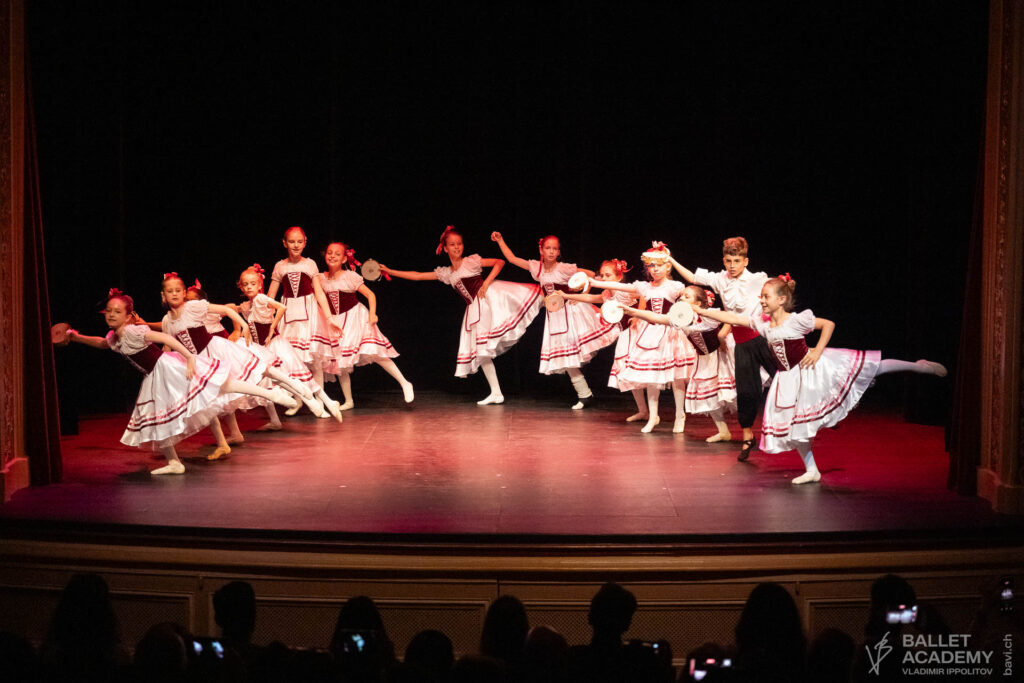
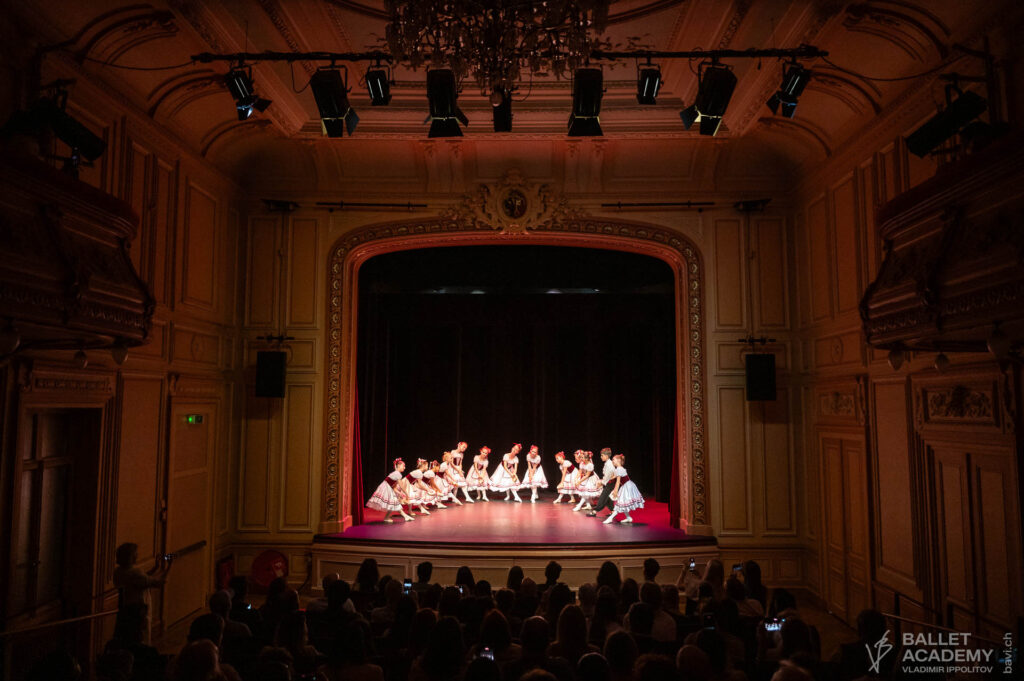
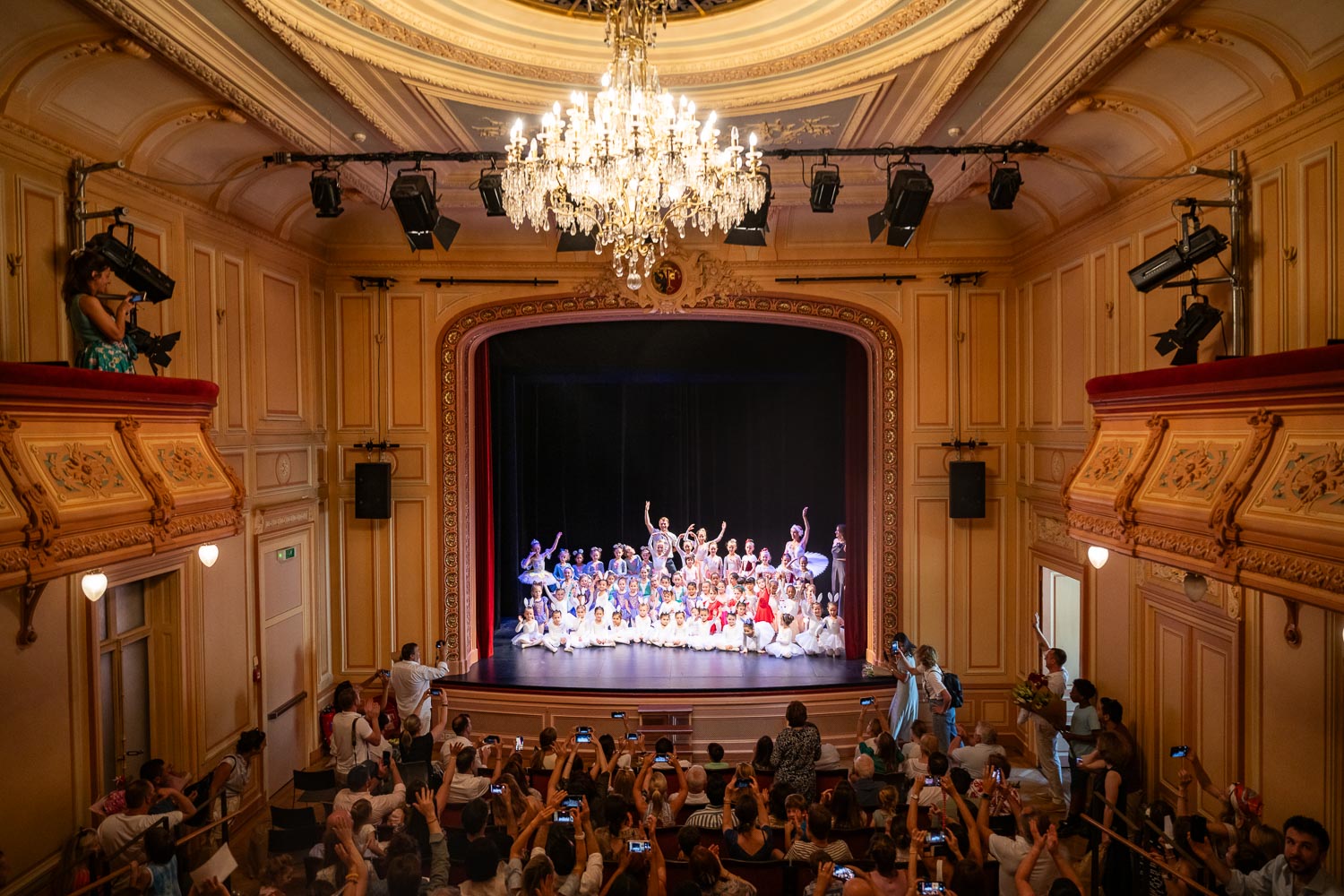
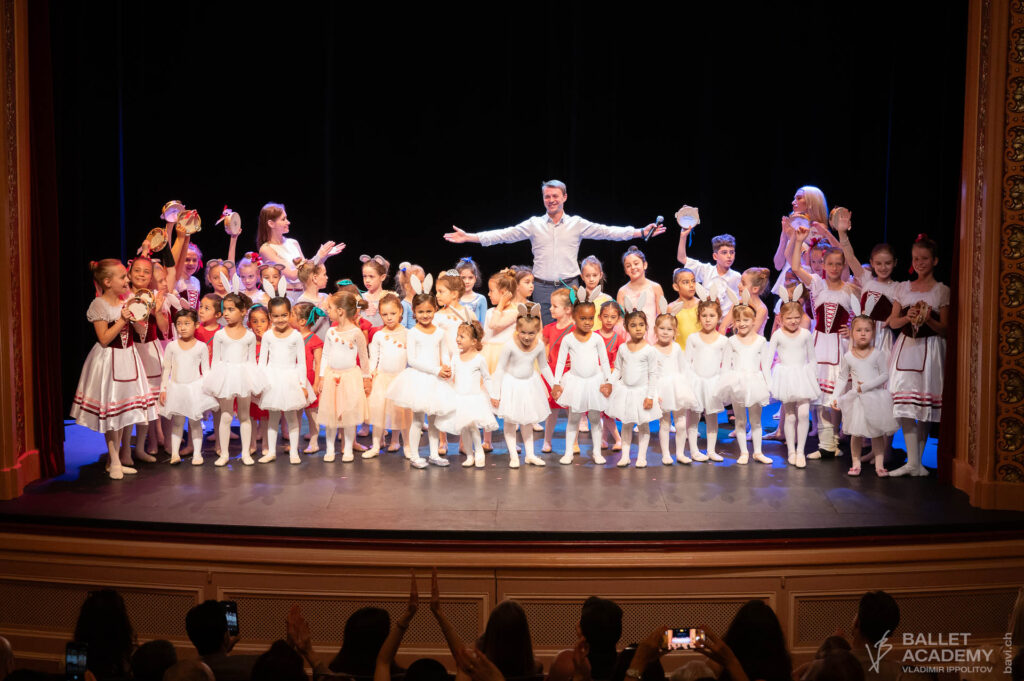
The finale brought all groups back on stage together for the final bow — every level, every age, and every location united for one last moment.
Programme 2 — Afternoon Show
Nyon group debut · Nations and Cologny groups · 10 numbers
The afternoon programme opened once again with Little Bunnies, performed by Group A with the same warmth, courage, and charm as in the morning.
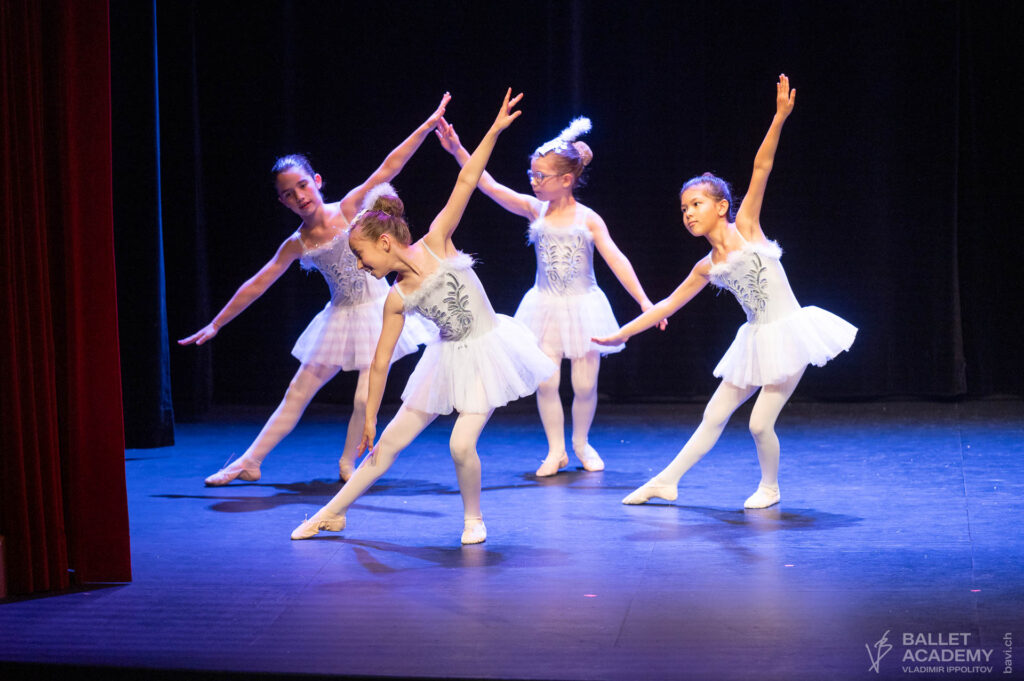
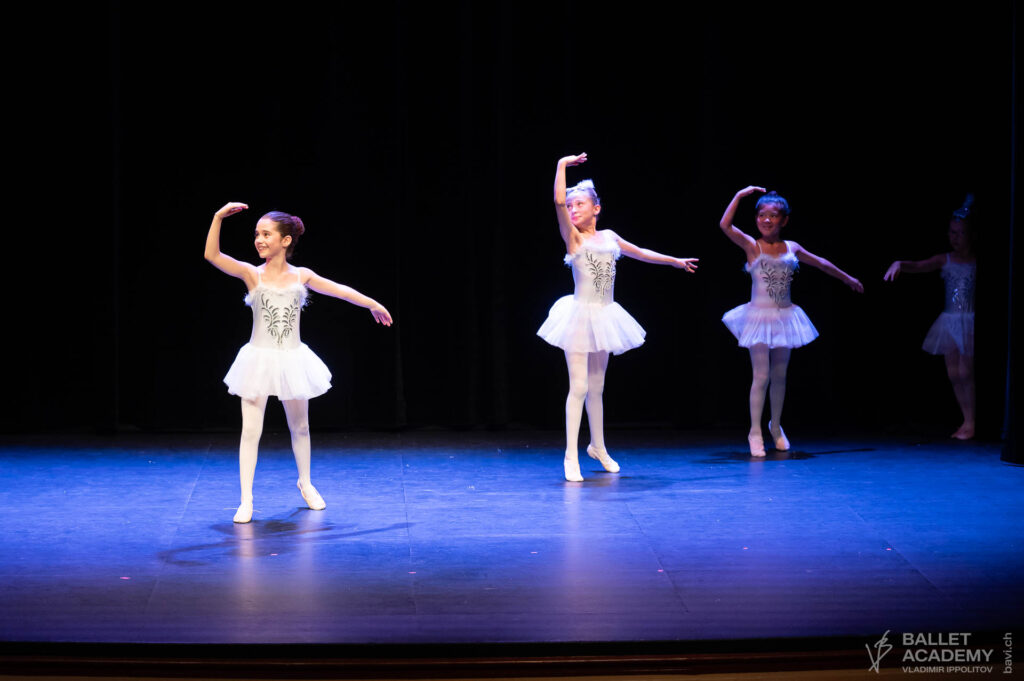
Bright Dance, performed by students from the Nyon and Nations groups and taught by Natalia Lopez, offered a lyrical and internally focused moment — still, radiant, and thoughtful rather than physically expansive.
La Perle, performed by Maria Lada-Gola, returned for the afternoon audience with the same artistic conviction and presence.
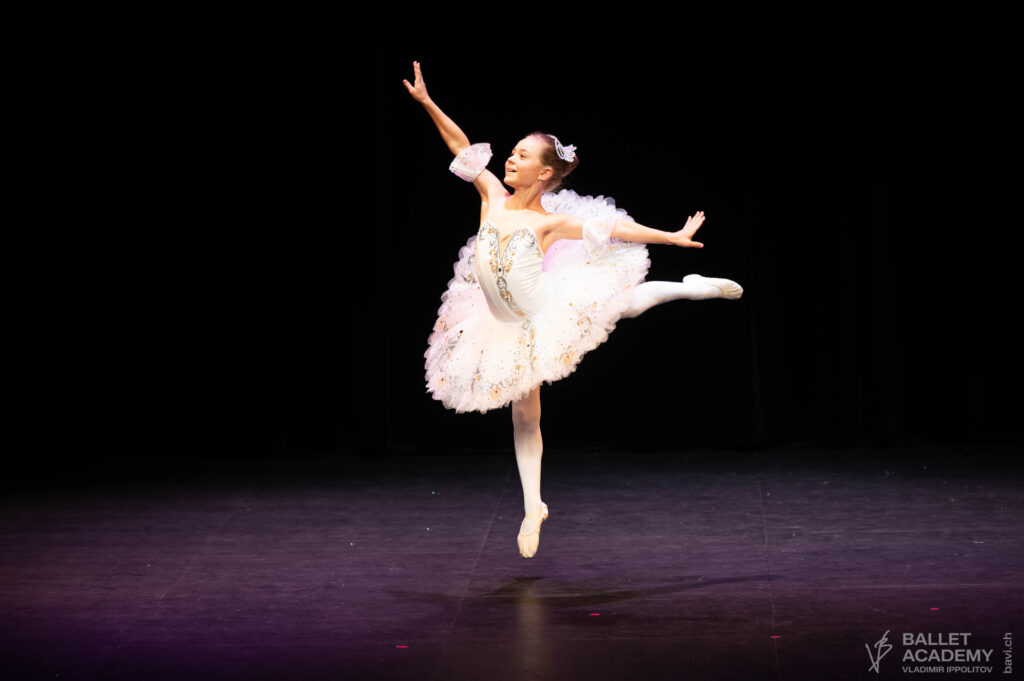
Little Cherries, performed by Group A, brought a new energy and individuality to the character piece.
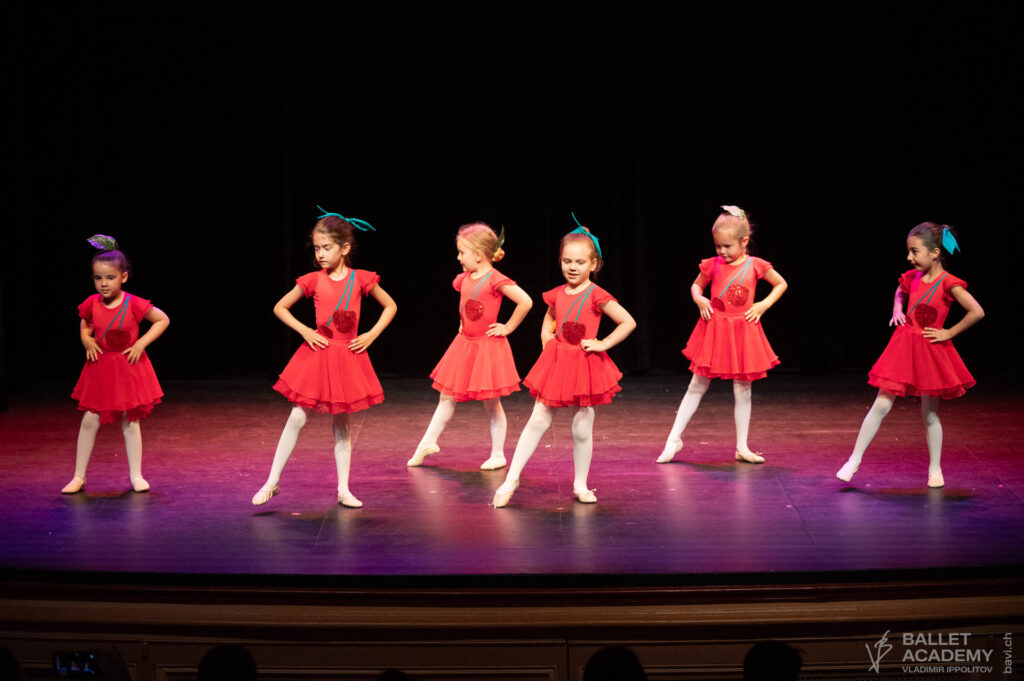
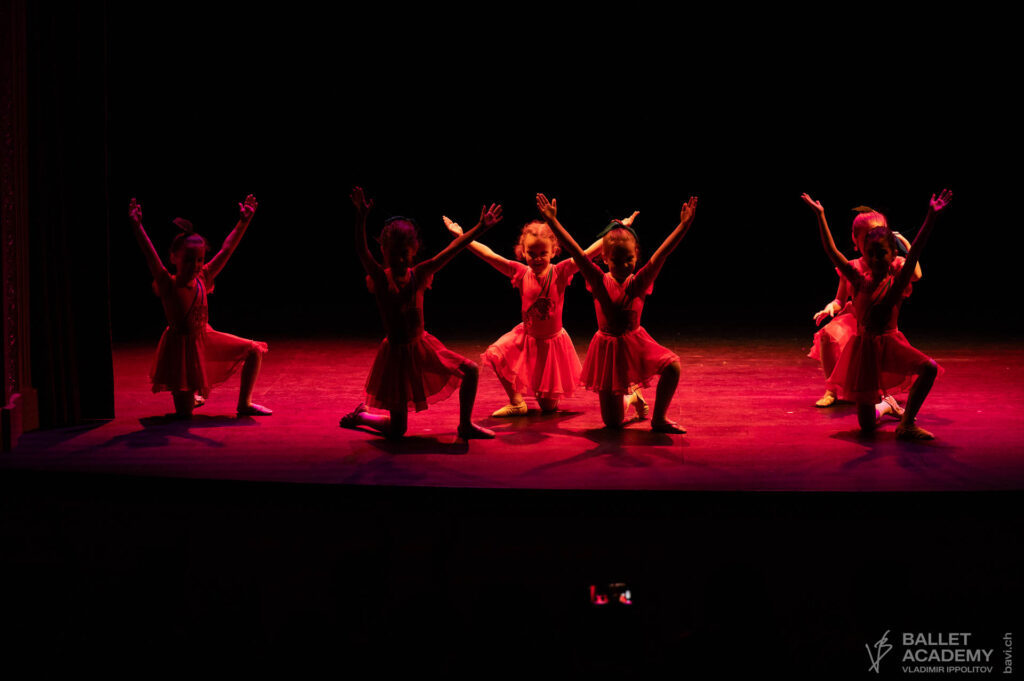
Little Dolls, performed by Group B, was built on contrast: the angular, mechanical quality of marionettes set against moments of sudden softness. Even mechanical movement in ballet must arrive exactly with the music, and the group navigated this challenge with care.
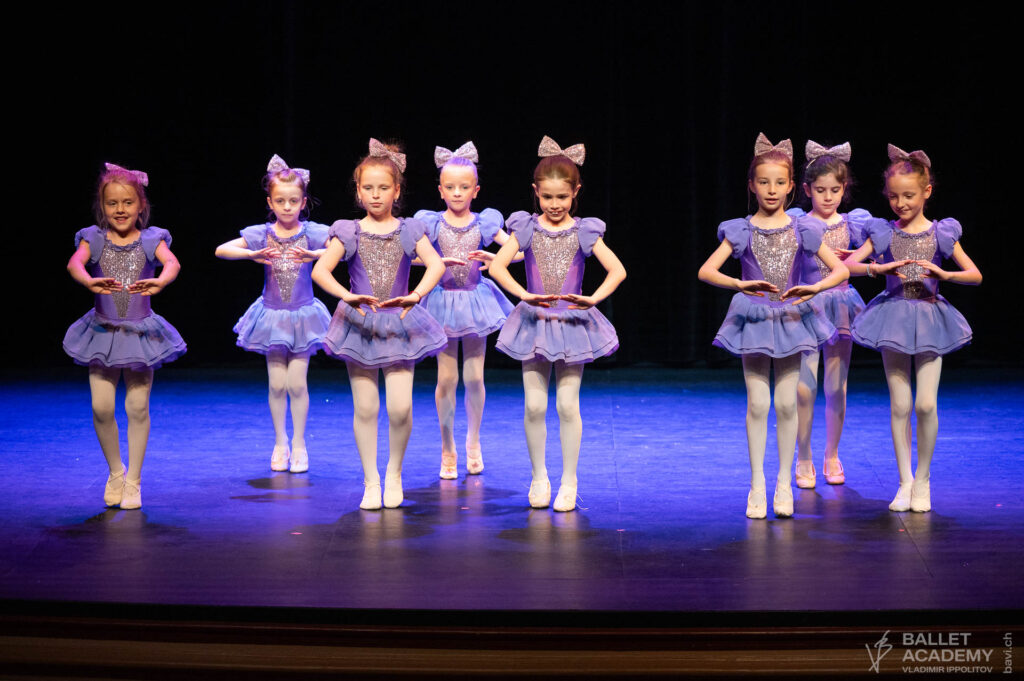
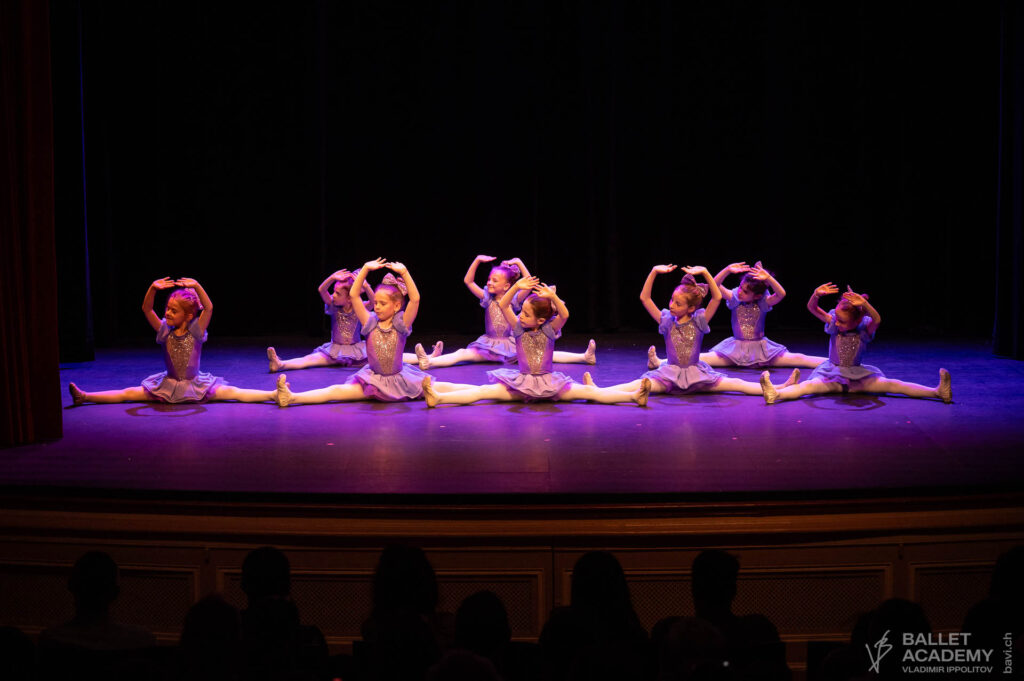
Inspiration, performed by the Nyon and Nations groups, was the most expressive of their three pieces. It asked the dancers to follow the music from genuine feeling, not simply from counting.
Armide Variation, performed again by Natalia Savoretti, brought the same technical and dramatic intensity as in the morning. Sustaining that level across two programmes is a real achievement.
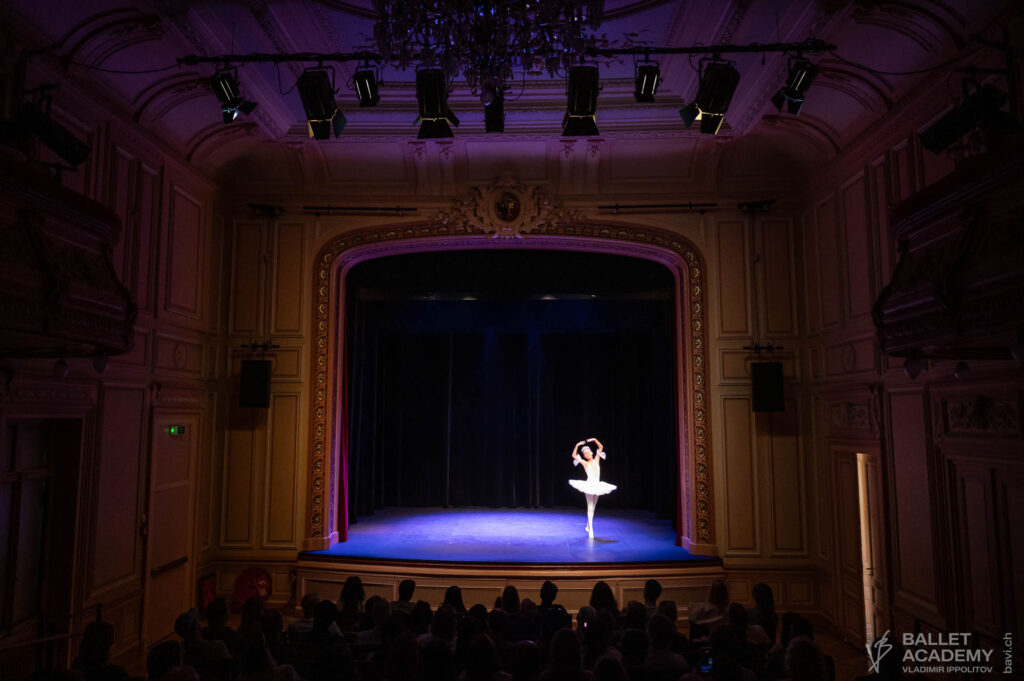
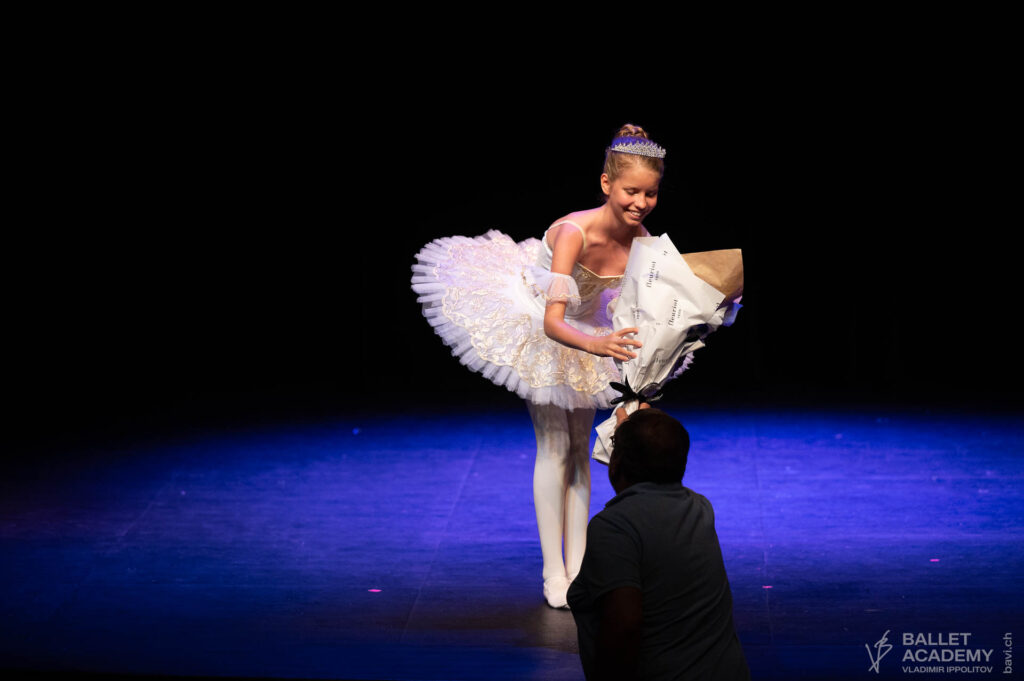
Little Mice, performed by Group B, returned with the same choreography and music, but a different personality. That difference is one of the quiet lessons ballet teaches: structure remains, but interpretation grows.
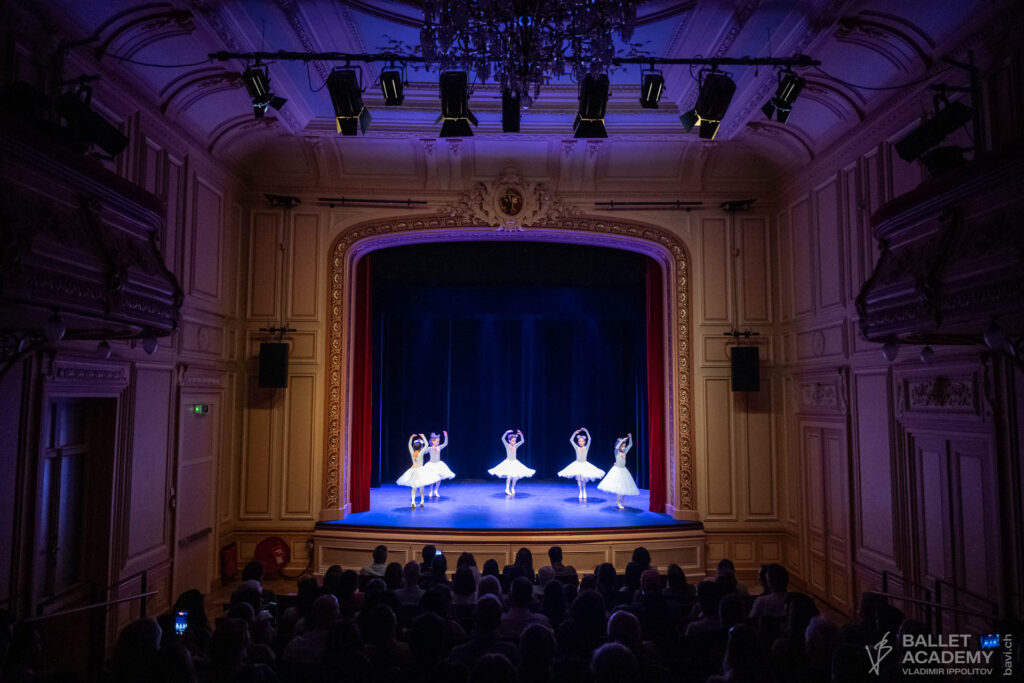
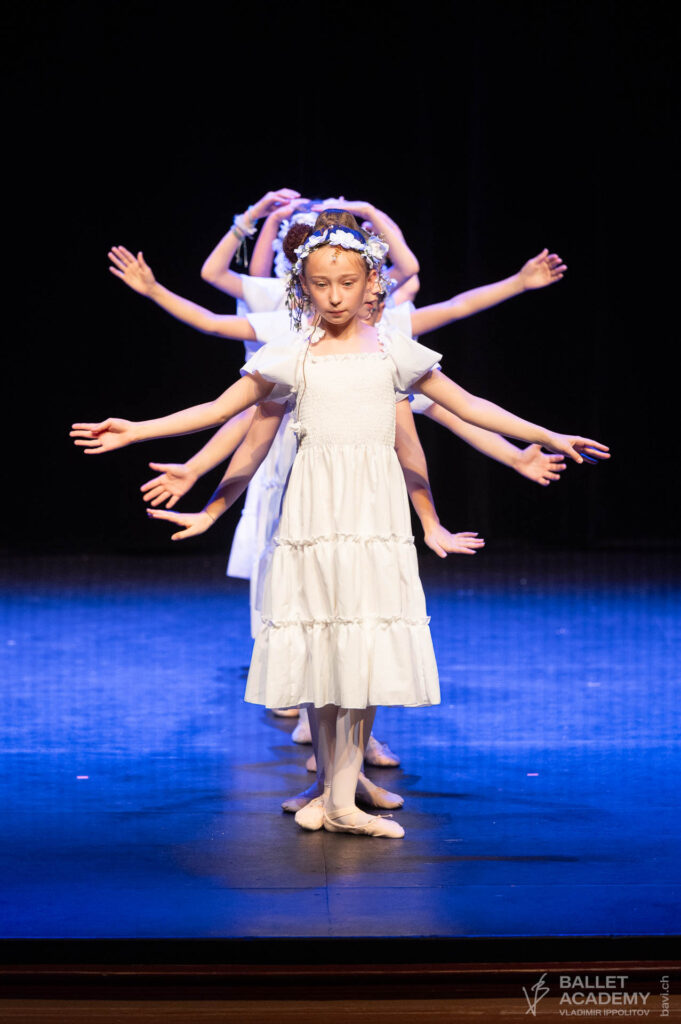
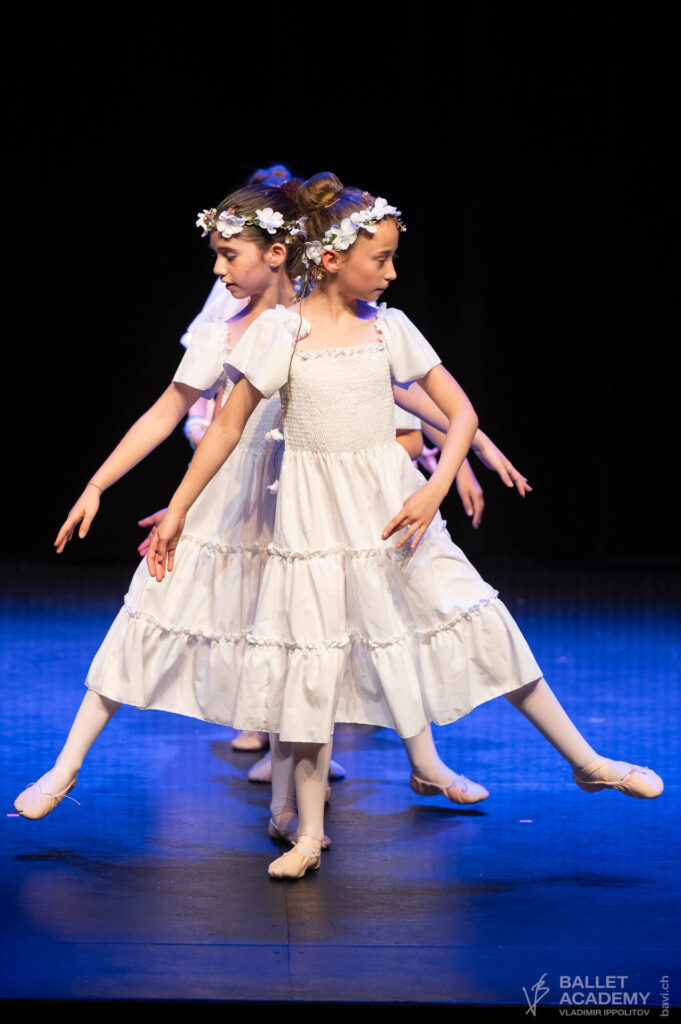
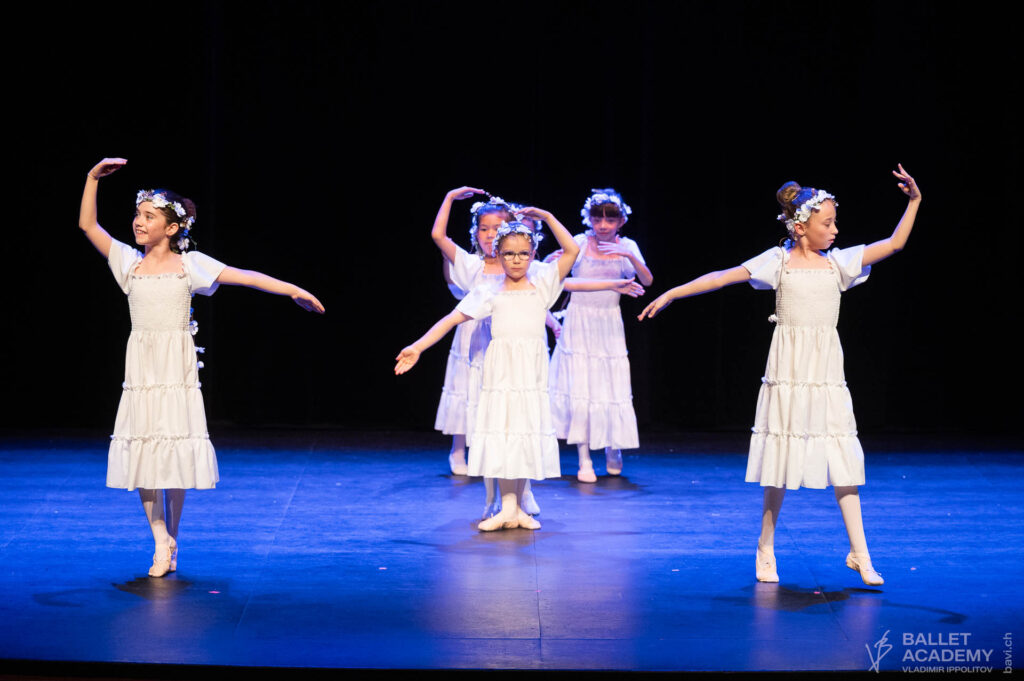
Mermaids, performed by nine dancers from Nyon, became the centrepiece of their contribution to the day. With long, flowing curves and music drawn from Slavic folklore, the group created a genuinely atmospheric presence on stage.
The afternoon programme closed with Waltz des Fleurs, performed by Group C with the full weight, warmth, and musical richness that Tchaikovsky’s score deserves.
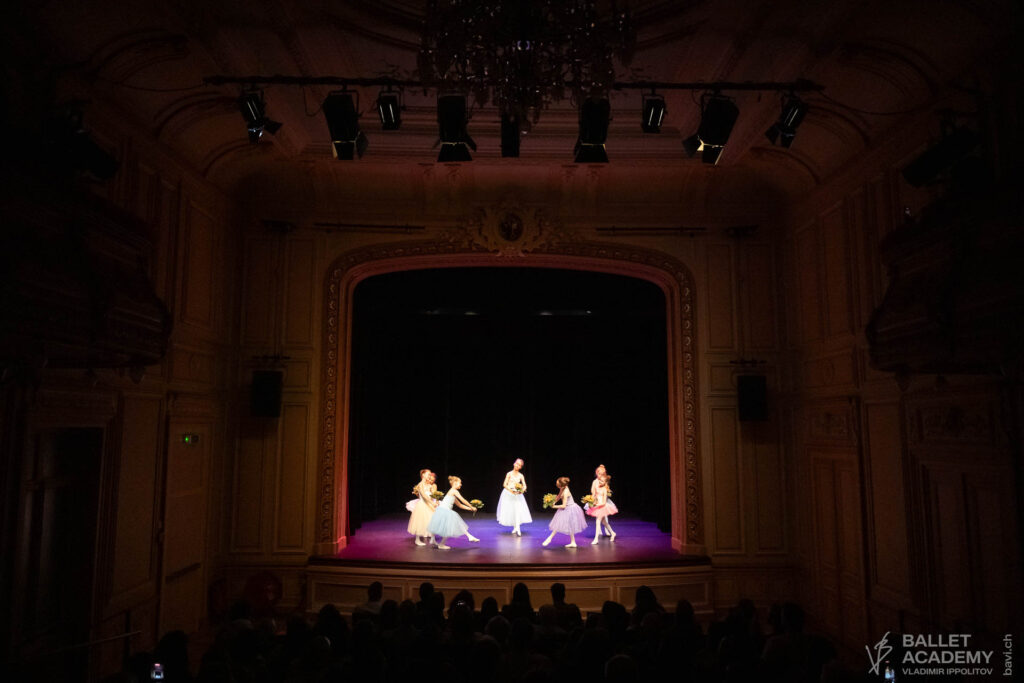
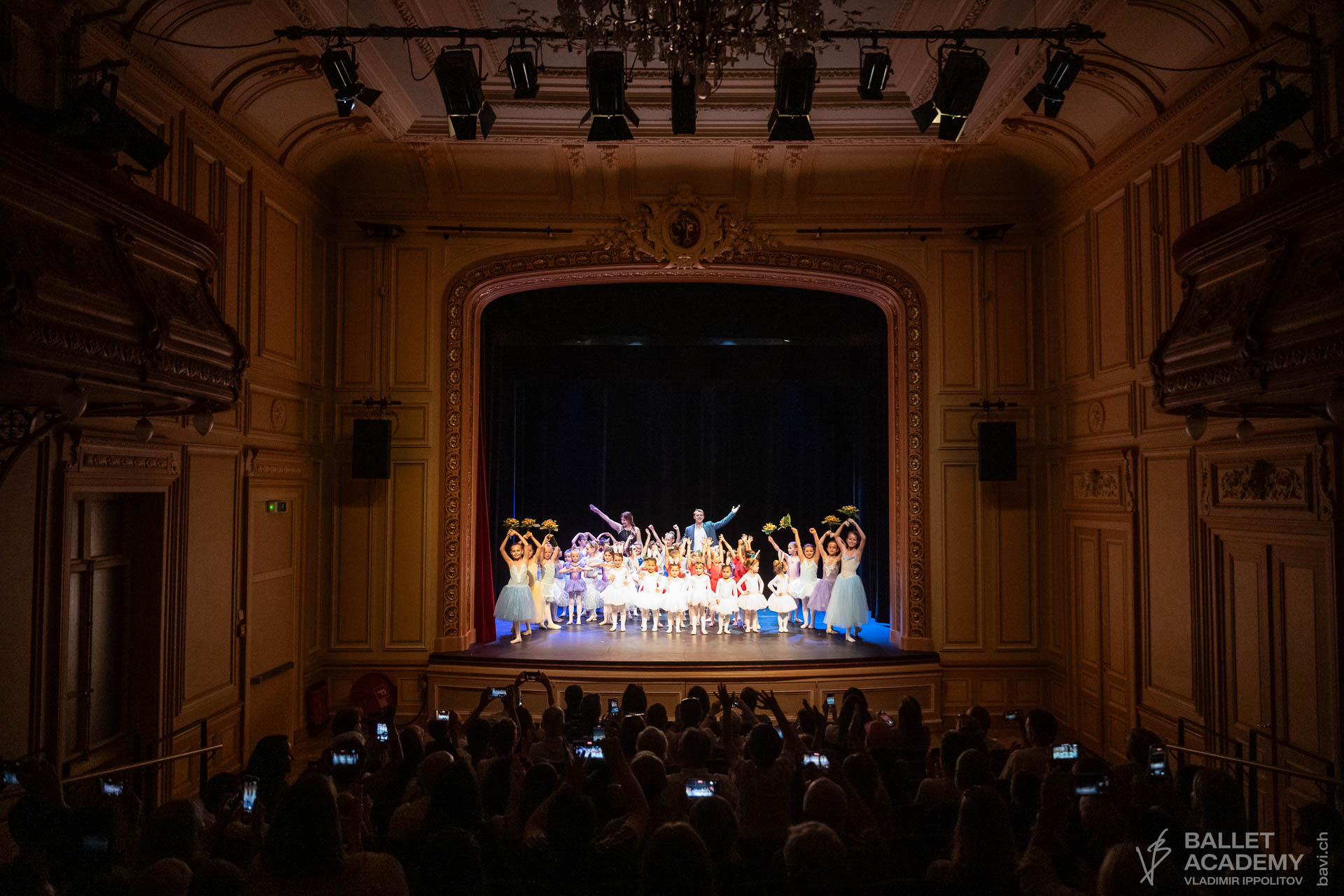
The final bow brought the entire cast together once more — two programmes, dozens of dancers, hundreds of families, and one shared celebration of the work achieved throughout the year.

Competition Results This Season
The 2025/2026 season also brought excellent competition results for Ballet Academy students.
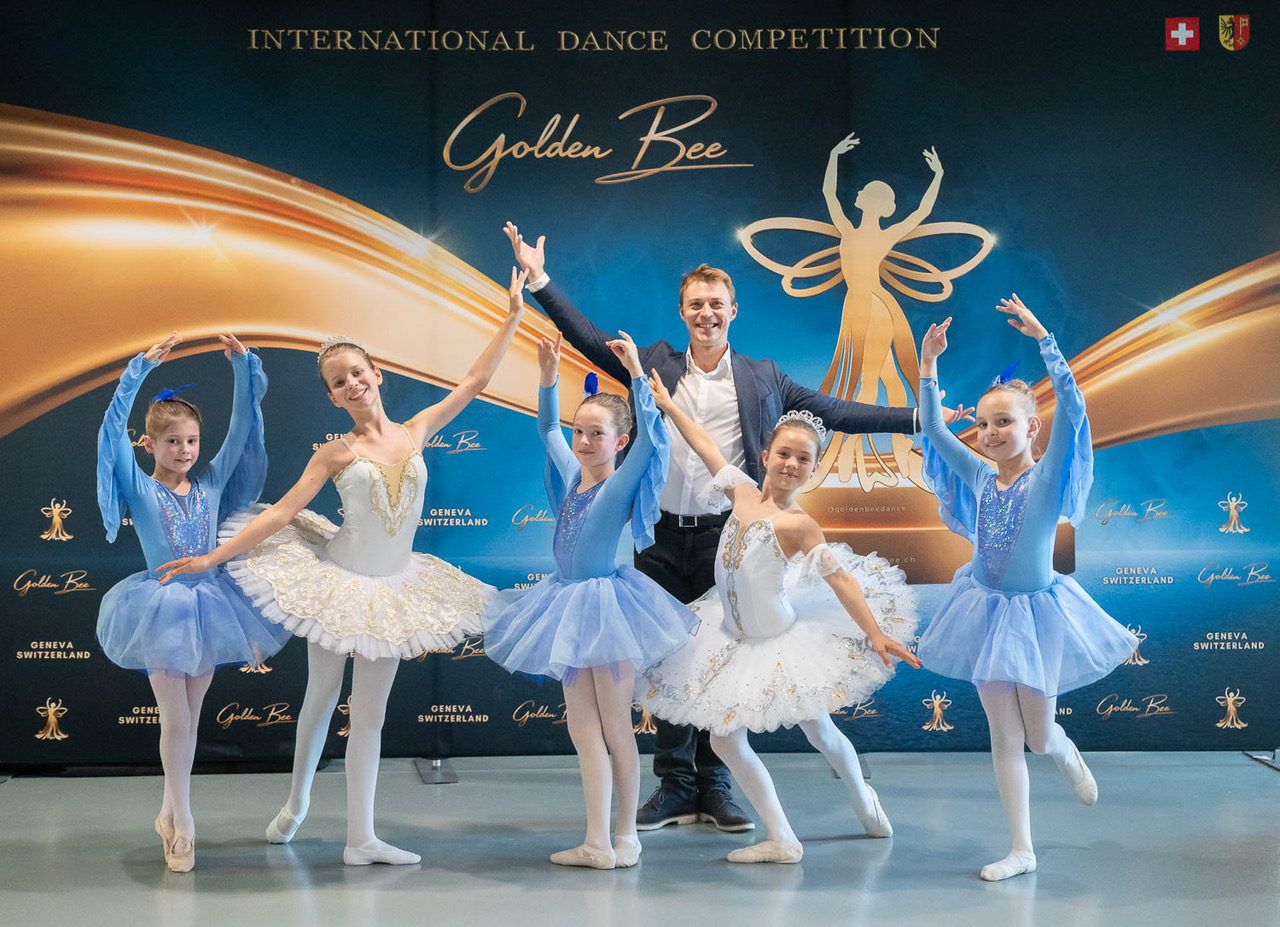
Gold Medal — Les Oiseaux, Group C
Prepared by Polina Smirnova and Vladimir Ippolitov
Golden Bee International Dance Festival, Geneva · May 2026.
Read more here
Gold Medal — Les Oiseaux, Group C
Prepared by Polina Smirnova and Vladimir Ippolitov
Rencontres Chorégraphiques de Danse, Saint-Chamond · January 2026.
Read more here
Gold Medal — Little Mice, Group B
Prepared by Polina Smirnova and Vladimir Ippolitov
Rencontres Chorégraphiques de Danse, Saint-Chamond · January 2026.
Read more here
Silver Medal — La Perle, Maria Lada-Gola
Classical solo variation, prepared by Polina Smirnova and Vladimir Ippolitov
Golden Bee International Dance Festival, Geneva · May 2026.
Read more here
Silver Medal — Armide Variation, Natalia Savoretti
Classical solo variation, prepared by Polina Smirnova and Vladimir Ippolitov
Golden Bee International Dance Festival, Geneva · May 2026.
Read more here
All five results, across two international competitions, were achieved by students working with Polina Smirnova and Vladimir Ippolitov. The same pieces presented in competition were also performed at the Kids Gala on 7 June, giving families the opportunity to see the work behind these achievements on stage.
Teachers
The 2026 Kids Gala was prepared by the Ballet Academy teaching team:
Polina Smirnova and Vladimir Ippolitov
Champel, competition preparation, repertoire, and private classes
Natalia Lopez
Nations and Nyon groups
Veronika Khorosova
Cologny groups
Enrolments 2026/2027
Enrolments for the 2026/2027 season are now open.
Classes are available in Champel, Cologny, Nations, and Nyon. Places are limited.
Photography: Tomek Gola / gola.pro