
There’s a moment every parent recognizes: your child stands at the barre, trying to do everything “right” — feet, arms, head, focus — and you can almost see their confidence grow (or disappear) depending on how they’re guided.
The Vaganova Method exists for that exact reason.
Not to impress. Not to rush. But to build dancers correctly, calmly, beautifully — step by step — so progress is real and confidence becomes natural.
At our Academy, Vaganova is not a label. It’s our daily language: how we structure class, how we correct, and how we help each student — child, adult, or advanced dancer — develop with clarity.
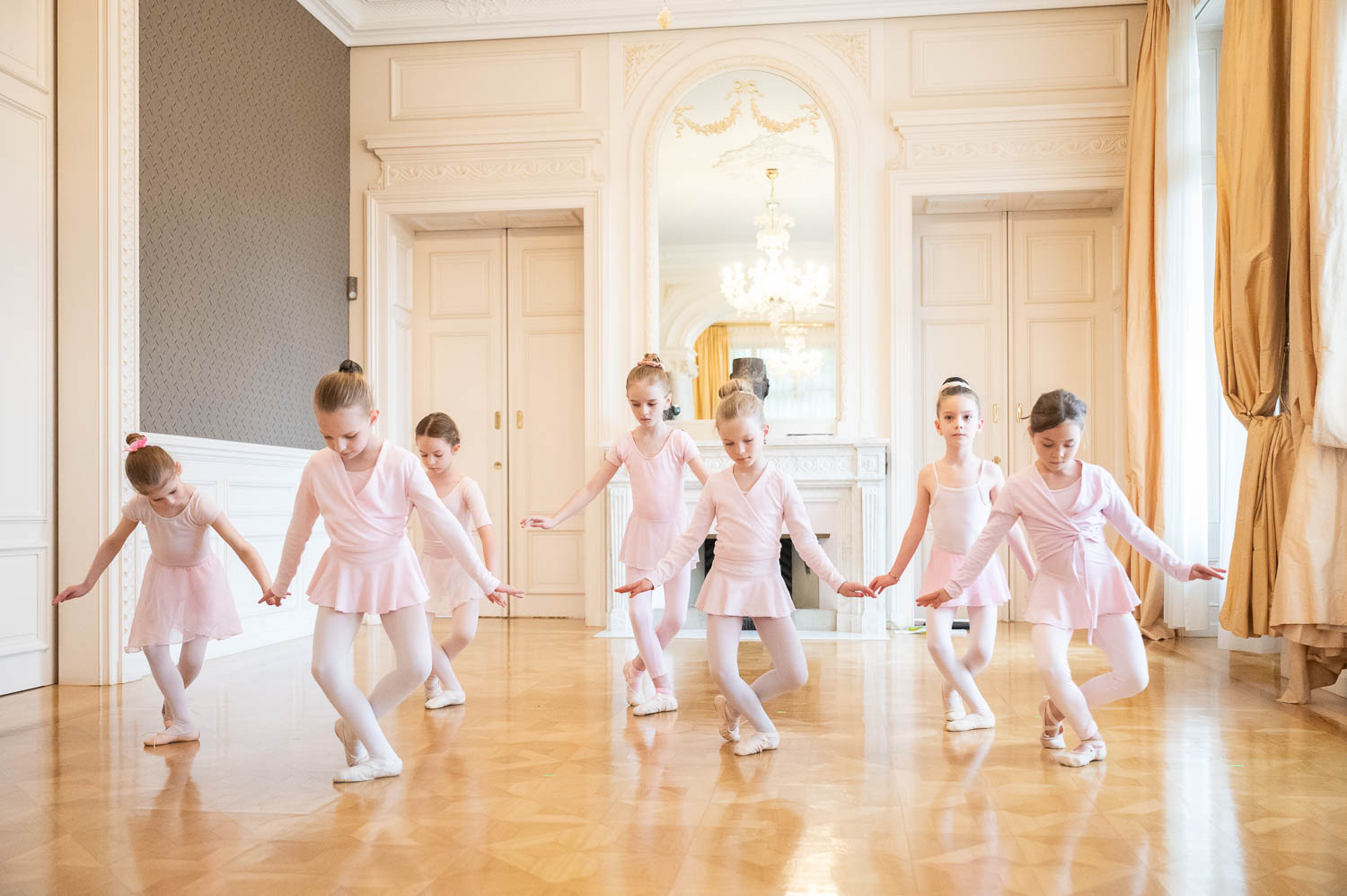
For Children
- A strong, elegant foundation: posture, coordination, musicality from the beginning
- Strength and flexibility developed progressively, without forcing
- Confidence built through clear structure and achievable milestones
Children don’t need pressure. They need a method that makes them feel safe — and capable.

For Adults
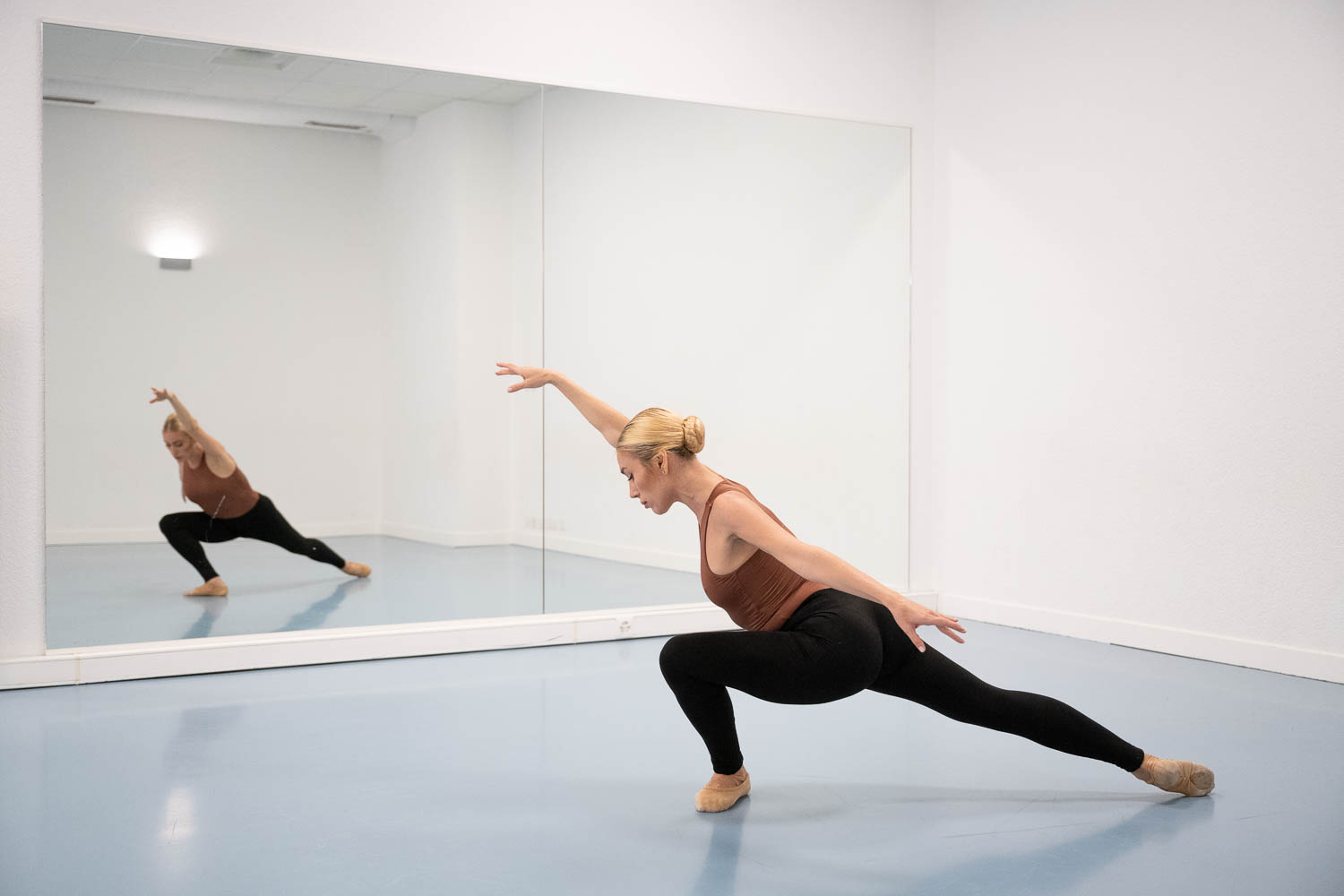
- Serious classical training with logic and clarity
- A safe way to rebuild alignment, turnout use, and core support
- A method that improves the body and the line — not just choreography
Adults often rediscover something here: not only ballet, but a better relationship with their body.
For advanced students / pre-professional dancers
- A refined system for clean classical technique
- Better jumps, turns, stamina, control, épaulement
- A reliable foundation for competitions, auditions, and stage work
At higher levels, details are not decoration. They define quality.
Clean alignment
and healthy placement
Whole-body coordination
nothing works “separately”
Musicality and épaulemen
he intelligence of the upper body
Progression by design
each stage prepares the next
Structured
a real educational path, not improvisation
Complete
technique + artistry + strength + musicality
Reliable
progress you can see, feel, and build on
Demanding in the right way
standards, without chaos
A clear class architecture
Barre → Centre → Adagio → Turns → Allegro
Each part has a purpose.
Nothing is random.
Corrections that build, not break
We correct to improve placement, coordination, line, and musical timing.
Not to pressure — to guide.
Level-based progression
Students move forward when foundations are stable — not because the month changed.
Artistry from the beginning
Not “performance face.” Real artistry: posture, épaulement, phrasing, presence.